WOC Boomer Bloggers

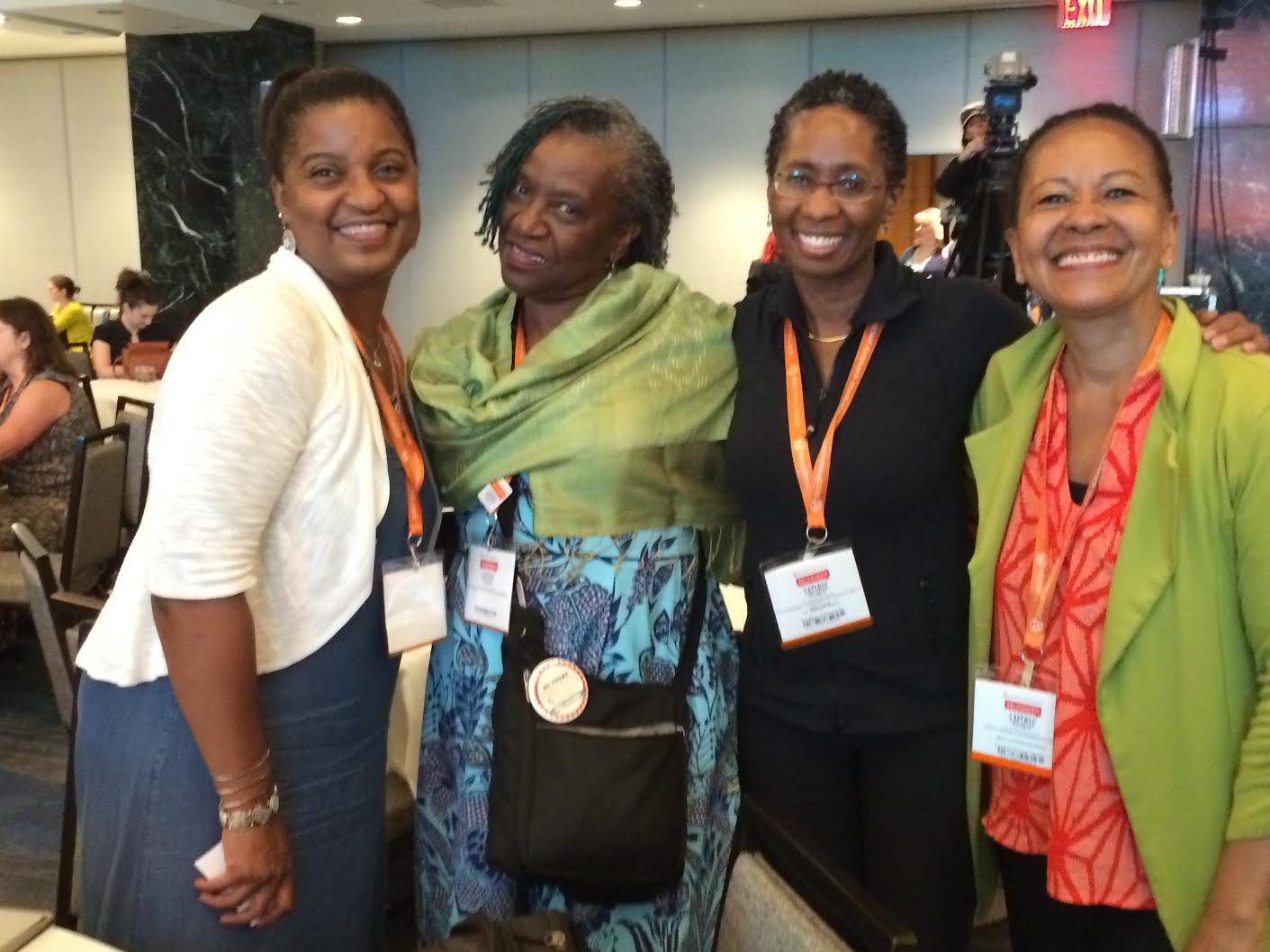
WOC (Women of Color) Boomer Bloggers, we know you are out there! Do you remember where you were when the Voting Rights Act was signed in 1965? Today marks the 50th anniversary.

Women of Color (WOC) Baby Boomers are 50 years old+.  Born between 1946-1964, we are daughters of the Civil Rights movement. African American Civil Rights activists created the blueprint and laid the foundation for the success of the women’s movement and many immigrants.

We are still radical. Some of us live our lives out loud. Others thrive on a quiet path in mind, body and soul. Yet, we continue to break down barriers and preserve freedom in our own special way. Did you know we were pioneers? Most of us were the ‘first’ women of color to achieve all kinds of thing. That’s why we have moral authority to have our say about what is happening in America today. We can use our unique voices, experience and wisdom to teach, mentor and listen to the younger generation. By blogging we are showing that our voices have not been silenced by age. We do own a lion share of the consumer marketing space. Why brands do not market to us more widely is beyond me. Maybe we should use our economic power in more strategic ways.

Women of Color need to communicate with each other. I believe that we women can save the world! Let’s unite on the many issues that impact our lives and this planet. Many of us were children activists marching along with our parents for the right to vote. Armed US military guards escorted some of us to school as children. Some of us saw our children and lands taken from us. We survived terrorism, exploitation, racism, sexism, segregation, Jim Crow Laws and more.

In honor of the Voting Rights Act 50th anniversary, this list of 50+ year old Women of Color Bloggers is offered as a beginning of our mission to connect and build community. We included one male blogger. We are still searching for more MOC Boomer brothers! (Men of Color).

If we find 100 WOC and MOC Boomer Bloggers, we will create a free directory.

The following WOC bloggers write about culture, food, sustainability, history, mothers, grandmothers, entrepreneurs, reinvention, reimagination, photography, art, and media. We post on genealogy, spirituality, faith, empowerment, intimacy, relationships, fashion, hair, gardening, parenting, homeschooling, travel, fitness, cooking, healthy eating, tech, books, films, politics and more.
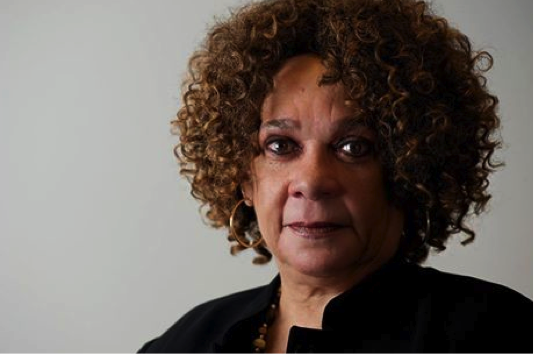


Sharon Leslie Morgan PotLikker: African-American Cookbook, Soul Food, Women in the Kitchen; Our Black Ancestry

 

sarah


Sarah Khan Food, Culture, Climate and Sustainability
 

renate


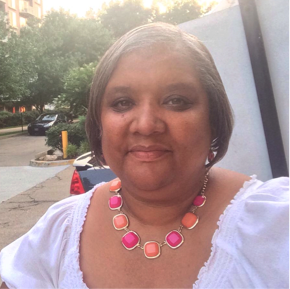
Renate Genealogist Yarborough Sanders Into the Light: Demystifying the Past and Uncovering an Elusive Ancestry
 

angela


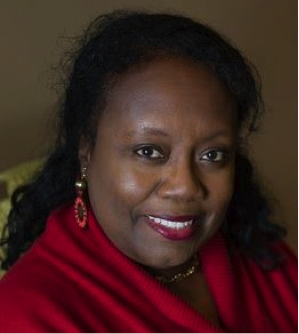
Angela Walton-Raji The African-Native American Genealogy Blog
 

 drus


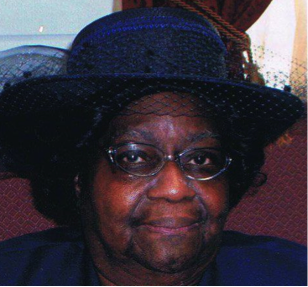
Drusilla Pair Find Your Folks: A Journal about Family and History
 

 3


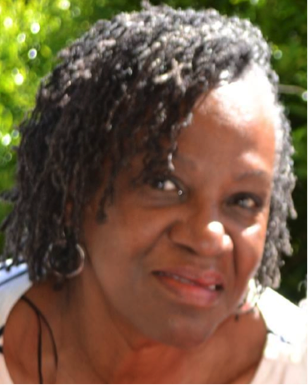
Patricia Patton Creative Aging: Creating Playbooks for the Life You Want


4


Wanda Sabir  Well-Being of African People Past, Present and Future


5


Cherilyn “Liv” Wright The Wise Boudoir: On Intimacy and Relationships


6


Pamela Swear-King Still Dating My Spouse: Relationship Practices that Promote Connection, Commitment, Communication, and Consistency
 

1a


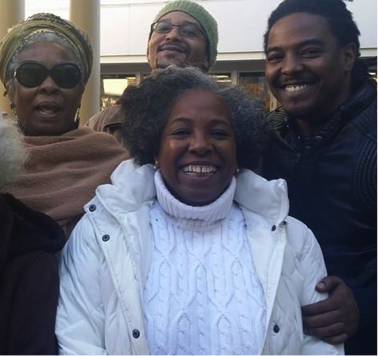
Paula Penn-Nabrit Charles Madison Nabrit Memorial Garden, Sunday School Sisters, Homeschooling


1b


Johnetta Miner Lifestyle Wellness: Integrative Holistic Education, Wellness Coaching, Business Leadership and Lifestyle Management
 

1d


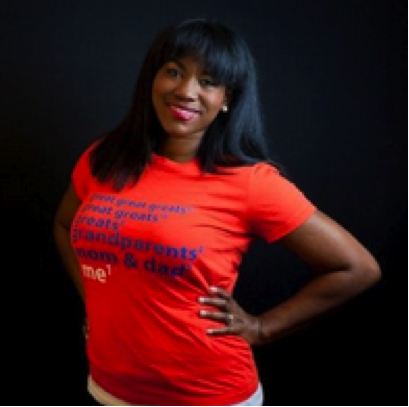
Nicka Smith  Who is Nicka Smith?: Genealogy, Photography and all the stuff in between


1e


Eva Yaa Asantewaa  Infinite Body: Art and Creative Consciousness


1f


Babz Rawls Ivy  Love Babz: A Life in Transition-notes on being an ex-wife, mother, felon, and citizen of the world


1g


Deborah Smikle-Davis Urban Naturale: Living Healthy, Vegan, Green and Natural
 

1h


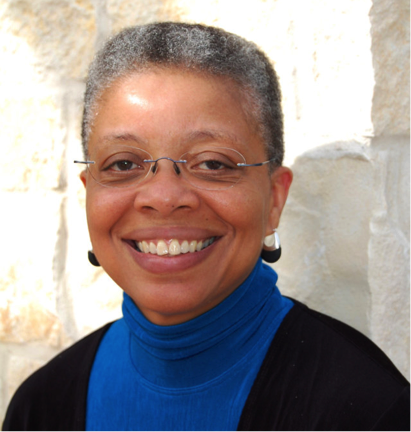
Monique Wells Entrée to Black Paris: Say “bonjour” to Black Paris- A One of a Kind Black Heritage Destination


1i


Sandra Lewis Life in 4-Part Harmony: Tune In & Find Your Rhythm, Make Good Life Music
 

1j


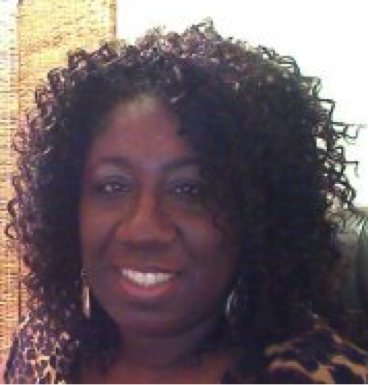
Gennia Holder Time to Go Virtual: Marketing and Business Strategist; A passion for helping entrepreneurs


1k


Francis Best Stanfield Frantastically Fran: Alopecia Awareness, Family Ties, Menopause Minute, Simply Frugal
 

2a


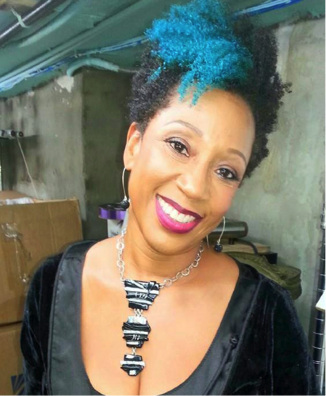
Anu Prestonia Khamitkinks: Fashion, Style, Body & Spirit
 

2b


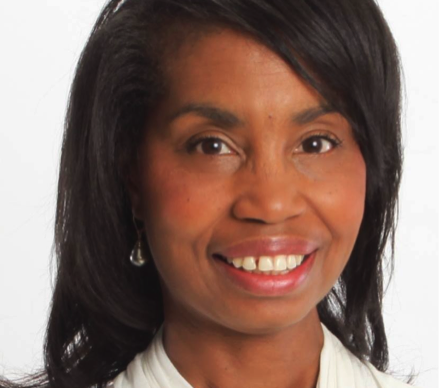
Elle Gibson Spendid Habitat: Interior Design and Style Ideas for Your Home
 

2c


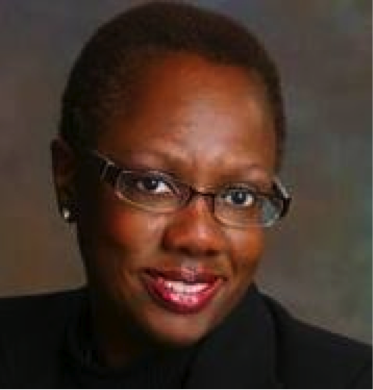
Elaine Shelly-Burns  Transformations Possible: How to Craft a Heartmade Life and Creative Reinvention Coach
 

2d


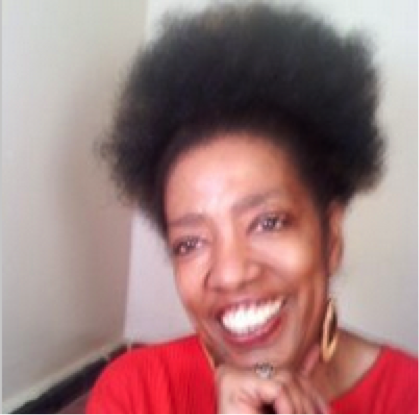
Taylor Gilmore Creating in Faith and Grace; 40 Days Devotional
 

2e


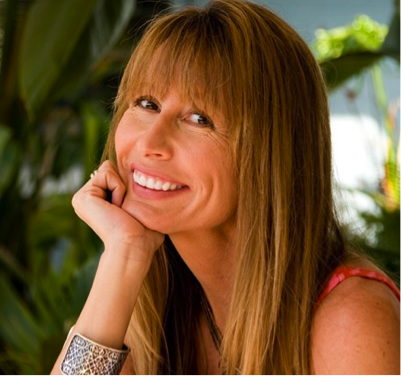
Lorraine Laddish Viva Fifty: A Bilingual Community that Celebrates Being 50+
 

dc


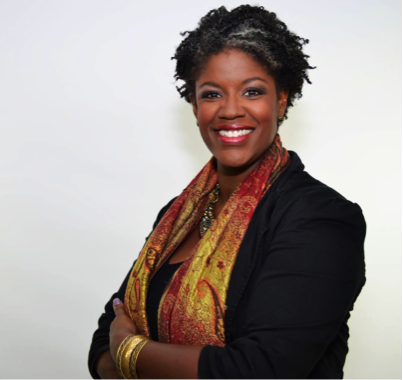
Dr. Tina Opie & Fredrick Douglas Opie, From Dreadlocks to Mini-Afro: Hair as identity; Food as a Lens: Telling Stories about Food Traditions
 

Teresa Speight- Cottage in the Court, Creating beauty, naturally, landscaping, gardening, travel.
Teresa SpeightCottage in the Court, Creating beauty, naturally, landscaping, gardening, travel.


Joyce Owens, literal and figurative artist, art professor. ArtMajeur
Joyce Owens, Art, Literal and Figurative artist, Art Professor. ArtMajeur


Ananda Leeke, DigitalSisterhood, Yoga+Creativity+ Internet Geek


Camera shy WOC Boomer bloggers

Pamela Lynn Kemp, Through the Maze of Life, A Christian Writer’s Journey Through the Maze of Life

M Hakikah Shamsiden (Garden of Wellness: Healing is my Spiritual Practice. I help women make the connection between inner health and outer beauty

Lisa Y. Henderson (Scuff Along: Genealogy)

Please send links for other WOC Boomer Bloggers who should be included on our list.

Yours in the struggle.


Juneteenth memories

Juneteenth is our first African American holiday. But it almost did not happen. The word Juneteenth is colloquial phrasing for an approximate June date when enslaved African Americans in Texas learned that they were free. June 19, 2015 marks the 150th anniversary of Juneteenth, also known in Texas as Emancipation Day. But like many black folks, I knew nothing about it growing up in New York. I learned about Juneteenth as an adult while living in Oakland during the eighties.

With the huge African American population that migrated from Texas and Louisiana to the Bay Area, Juneteenth was widely celebrated, especially in Oakland and Berkeley. I remember house parties and block parties everywhere back then! I could not keep up with the month-long festivities!

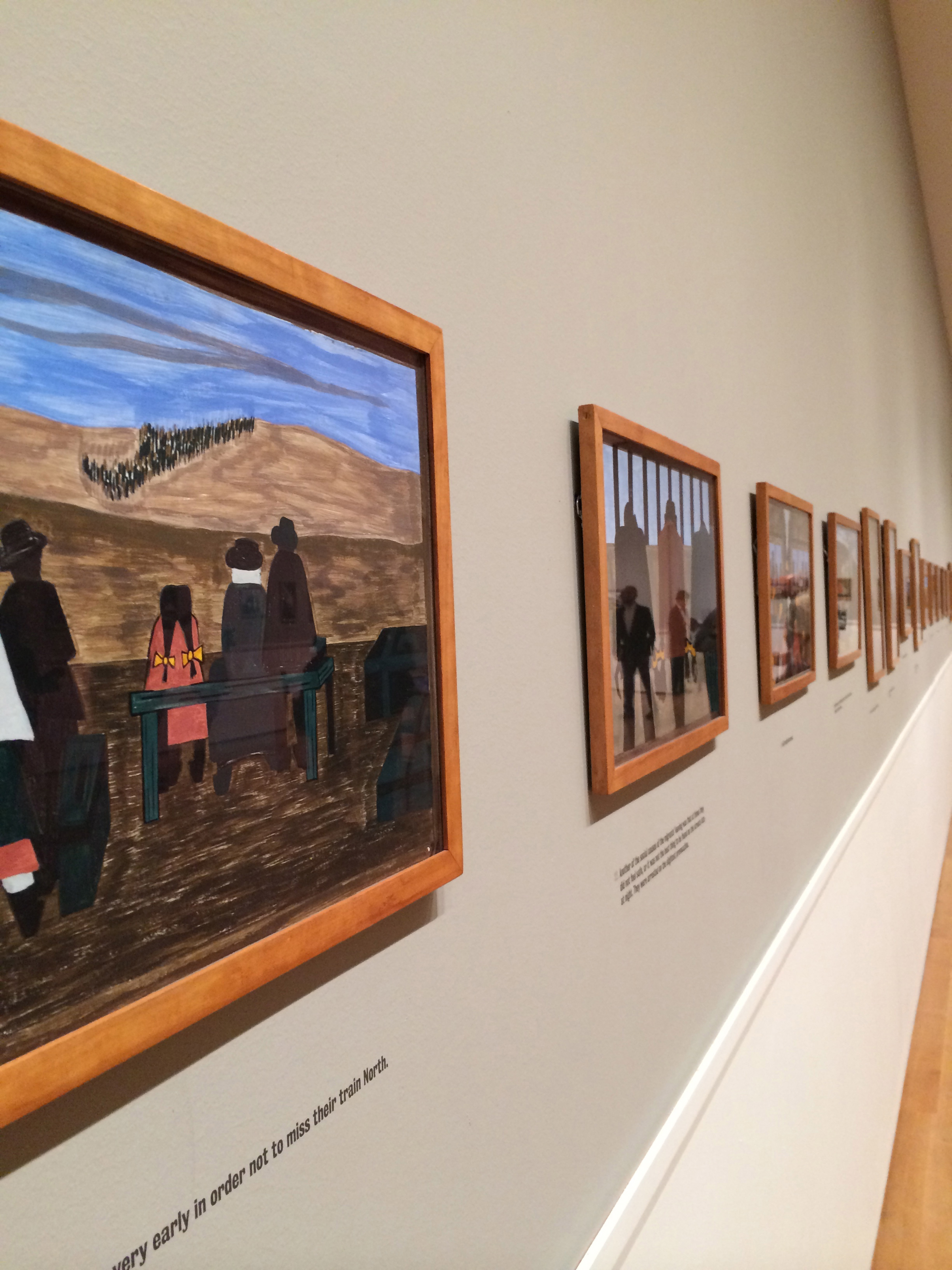
'One-Way Ticket: Jacob Lawrence's Migration Series' at MoMA
‘One-Way Ticket: Jacob Lawrence’s Migration Series’ at MoMA

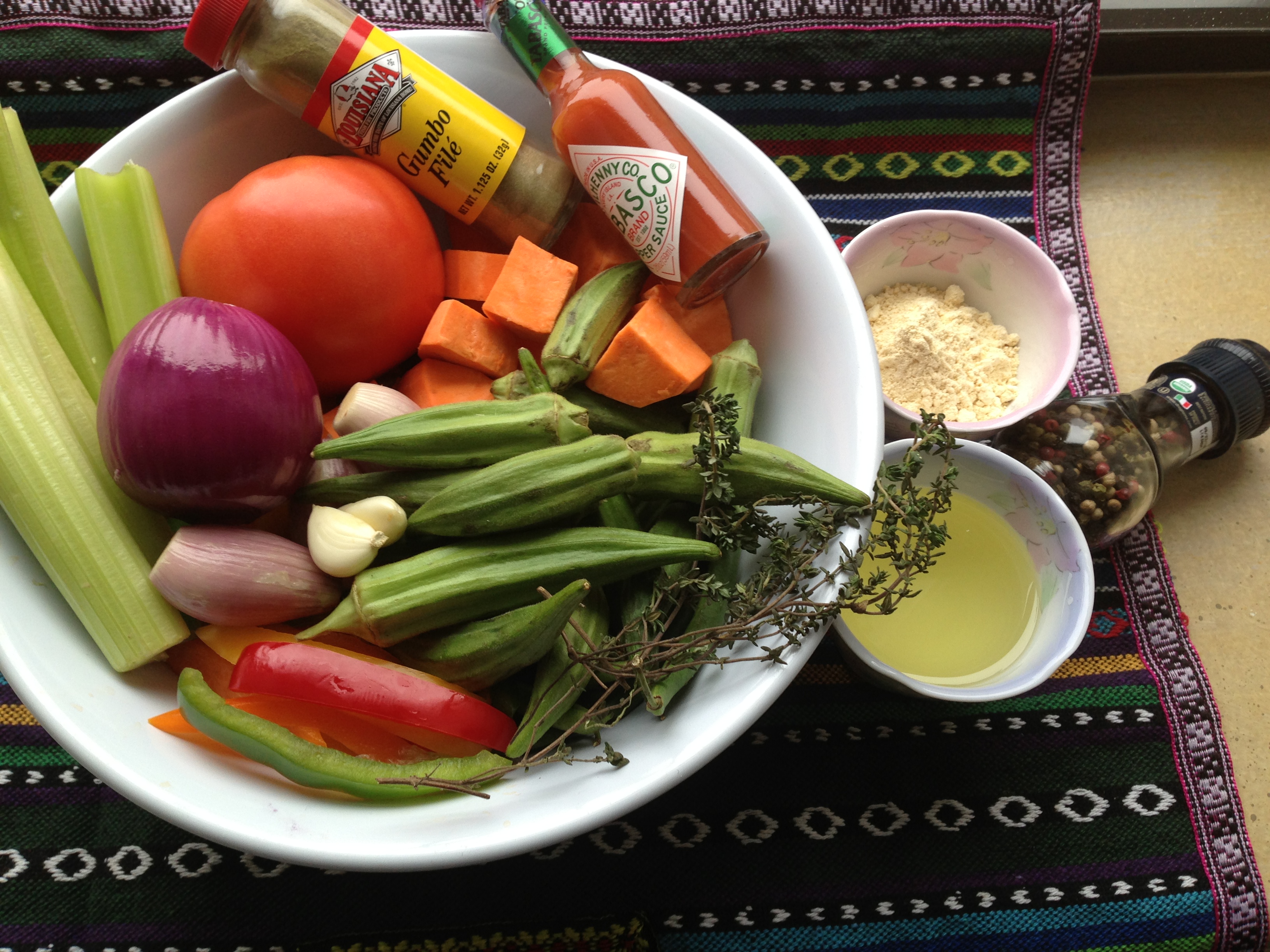
As I remember it, Juneteenth was highlighted by food, especially barbecue and Gumbo. Events were held in private homes and backyards of friends and neighbors. That was where I was introduced to deeper understandings about African American food legacy and regional culinary traditions. Folks cooked with recipes passed down from slavery. It seemed like everyone had ‘secret ingredients’ for gumbo. And talk about barbecue! Folks would talk about their sauce and meat preparation like religion. These discussions fueled fierce local cooking competitions or ‘throw-downs’ years before the Cooking Channel TV shows existed. I remember folks sharing stories about their legendary grandmothers, aunts and uncles who were great cooks, their original recipes and cooking techniques.

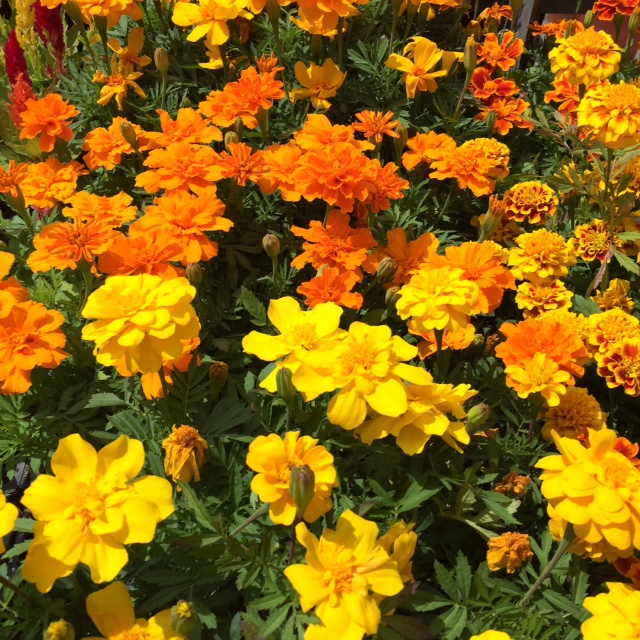
Gumbo fixings
Gumbo fixings

“Everybody knows Texans make the best barbecue!” Somebody would always make that controversial statement. Heated dialogue would ensue. What fun! What pride! Celebrants would passionately speak about how they prepped, brined, rubbed or smoked their meat and various ways to create delicious sauce. These epic food stories would go on year after year.

I also recall Juneteenth celebrants’ love of Blues music. There was a popular Blues venue in Berkeley where B. B. King often played. I don’t recall exact names but I used to go to blues clubs back then. So, Juneteenth was definitely a holiday marked with a Texas flavor of Black American culture– food, music, dance, art, crafts, theater, poetry, and Afrocentric fashion and designs.

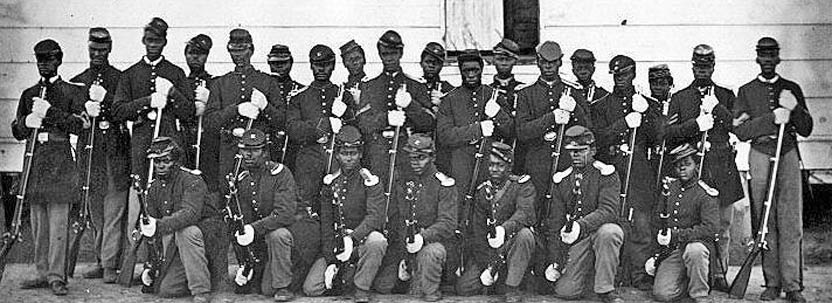
Although US President Abraham Lincoln ended slavery after the Civil War by signing the Emancipation Proclamation in 1863, (two years before Juneteenth) over 200,000 African Americans remained enslaved in Texas, a Confederate stronghold. Some slaveholders moved their slaves to Texas to avoid setting them free. It took a special decree (General Order 3) and 2000 Union (Federal) troops to make freedom happen. That’s how Juneteenth was born.

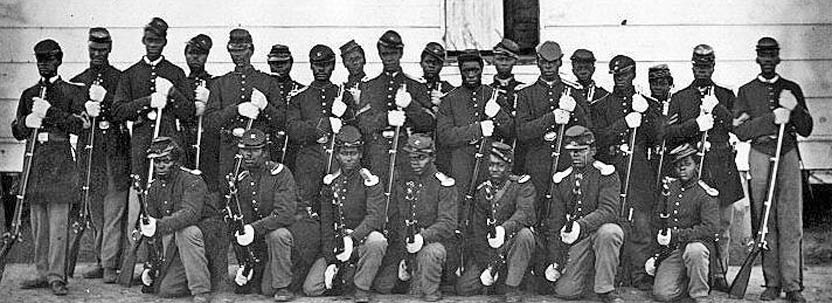
African American Civil War soldiers

I believe that many of the African Americans in Texas probably knew that they were free, but would not take any risks to prove it. Word traveled too quick in our ‘grapevine’ back then for them to not know something so important. January 1, the day that the Emancipation Proclamation took effect, should be our official Emancipation Day. Click here for a link to my story about ‘Waiting for the Hour,” artwork that hangs in the White House today. It tells our pivotal history. “Watch Night,” a New Year’s Eve tradition, is a spiritual holiday celebrated in many African American churches. But few realize the connection to the end of slavery.

As a child, I celebrated a Caribbean-style Emancipation Day with my West Indian relatives during August. British slavery, also known as the Transatlantic Trade, ended about 30 years before American slavery ended. On August 28, 1834, slavery ended in the British Empire, including its Caribbean colonies. Today, Emancipation Day is celebrated widely throughout the West Indies with summertime Carnival events.

Here are my Top 5 Juneteenth Things to Do:

  1. Read about Frederick Douglass, New York and how the end of slavery was celebrated: When the Civil War ended in April of 1865, the racial hostilities that fueled New York’s draft riots two years earlier still smoldered. Amid preparations for Abraham Lincoln’s funeral procession to pass through the city, the Common Council (now City Council) initially prohibited blacks from participating in the grand parade.” Read more by clicking here.
  2. Celebrate in Brooklyn, Sunday, June 14: The Fort Greene Brooklyn Juneteenth Arts Festival is coming to Cuyler Gore Park, Sunday, June 14th, 2015. All-day entertainment will be highlighted by music, dance, poetry, drama, Spoken word, and comedy. Check the website or on facebook.
  1. Black Ancestry webinar, Friday, June 19: The Great Migration of Black folks out of Texas to the West Coast caused the holiday to spread. We all know how difficult it continues to be to find and document African American ancestral records. My friend Sharon Morgan’s Black Ancestry site will sponsor a free webinar in honor of Juneteenth set for Friday, June 19. Records of the Antebellum Southern Plantation is accessible via computer or mobile phone. Click here for more information and to register.
  1. Celebrate in Texas: In case you did not know, Texas is like a separate country! Texas Emancipation Day is a huge holiday there. My white Texan Smith College schoolmates reminded me recently that they celebrated Juneteenth for decades! In fact, the Texas holiday became so respected—bigger than July 4th, that it was common for white politicians to join in annual celebrations that often drew crowds of thousands. “In 1872, a group of African American ministers in Houston helped raise money from the community to purchase a 10-acre plot of land in the Third Ward, which they named Emancipation Park. It has served as the cultural center of the city’s African American community, and the site of Juneteenth celebrations, ever since.“Blacks would come from all over,” said singer Kijana Wiseman, the chair of this month’s celebration. “People would dress up in their finery, they would dance, and there were bands and music. It was a real gala affair.”  To read the full article, click here.
  1. Read about Ralph Ellison’s book Juneteenth. It received mixed reviews. But the story about how the book came to be published deserves our attention. Click here for a link to a newspaper clip.

Do you celebrate Juneteenth?


Quakers to host slavery talk

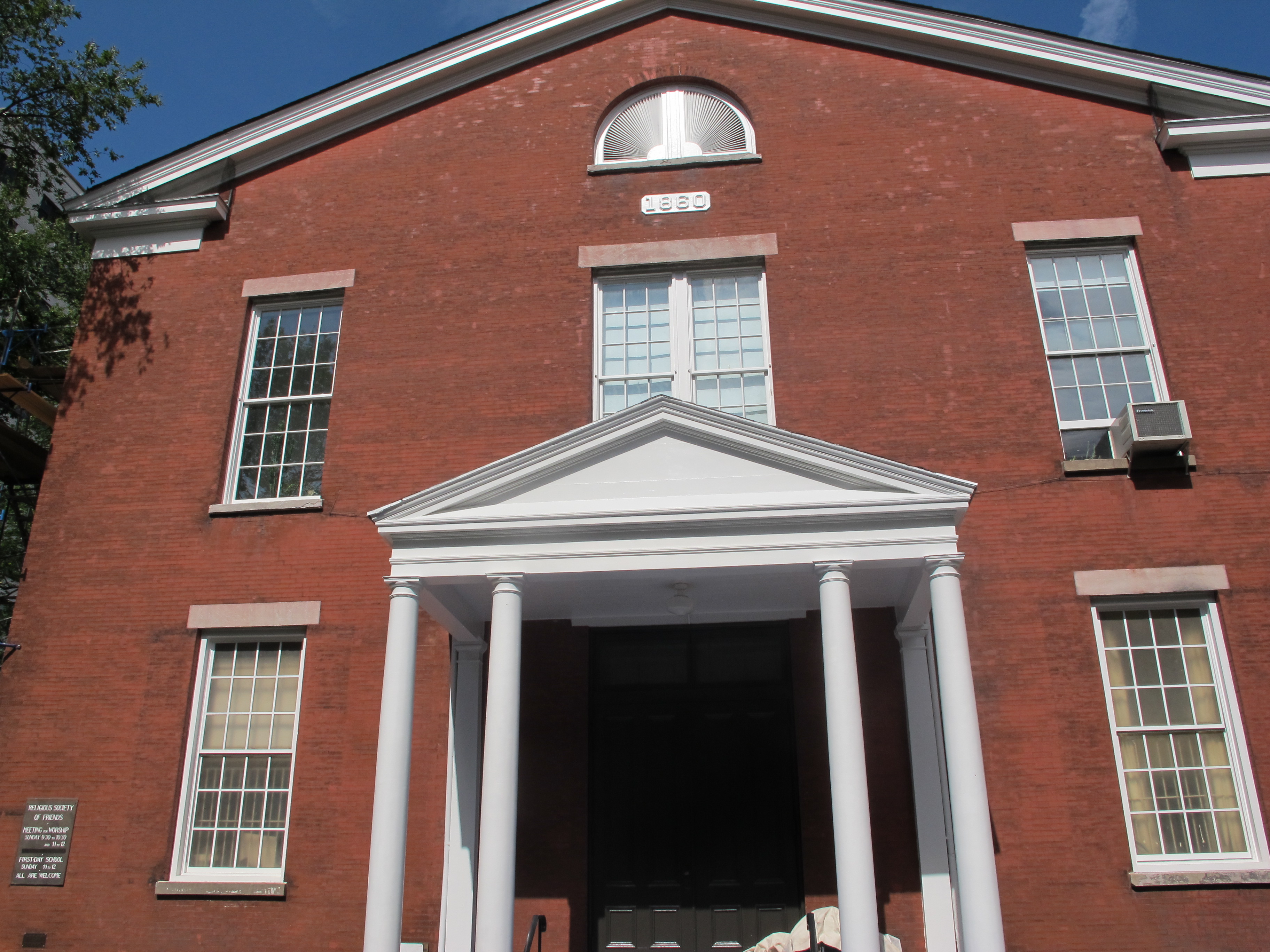
15th Street Friends (Quaker) Meeting House, NYC

The local Quaker Peace Committee will host our next Coming to the Table (CTTT) meeting on Saturday, June 6 at their Friends House in Union Square area. As the Co-Leader with Julie Finch of CTTT NYC-Metro, I am pleased to extend an invitation to newcomers to learn more about our mission.

Background: “Coming to the Table provides leadership, resources and supportive environment for all who wish to acknowledge and heal wounds from racism that is rooted in the United States and Transatlantic Trade’s history of slavery.”

What: CTTT-NYC Brown Bag lunch talk on Slavery, Racism, Genealogy

When: Saturday, June 6, 11:30am-3:30 pm.

Where: 15th Street Friends (Quaker) Meeting House, Room 3. 15 Rutherford Place, New York, NY 10003 (Union Square area) between 15th & 16th streets,Third & Second Avenues.

Agenda

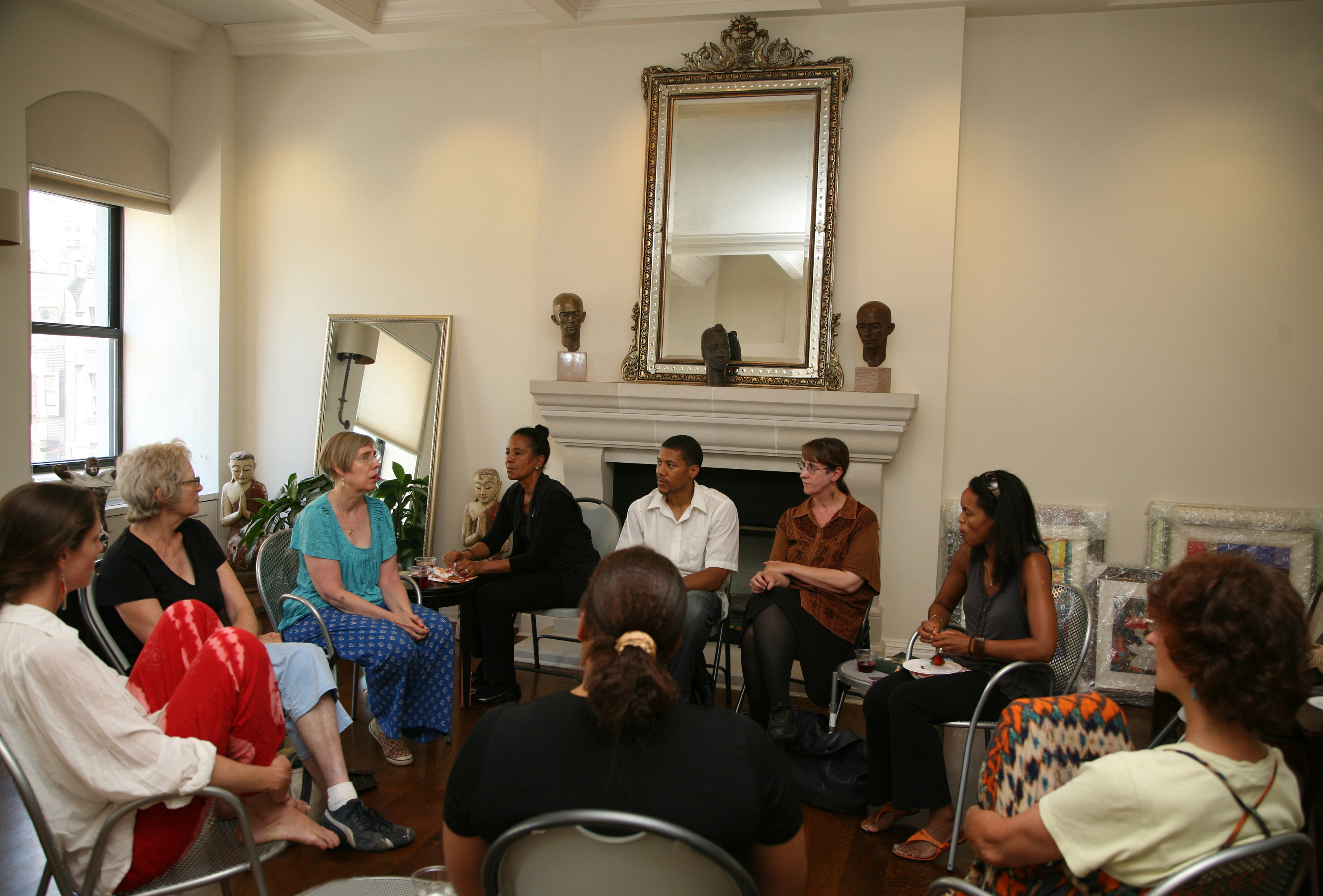
(Note: This is a two-part meet-up. The first hour+, we will welcome newcomers and long-time CTTT members. Then later we re-assemble to share stories using the Coming to the Table ‘Circle Process’ and ‘Touchstones’ principles for a ‘deep dialogue’ session. Please read about our Coming to the Table approach to meetings. Check the website, click on Resources and Guides.)

11:30am-12:45pm – (public) Welcome & CTTT overview, Q & A, local CTTT member introductions, ‘meet & greet,’ and enjoy a ‘brown bag’ lunch. Beverage and light snacks will be available.

We are reaching out to the NYC-Metro community to offer CTTT resources on healing racism. We hope to recruit a volunteer committee to help us build relationships with like-minded people to book guest speakers, coordinate outings to film, galleries, museum, libraries, lead local historic street tours, host book discussions and more.

1pm-3:30pm– This second part of the gathering will be conducted using “Circle Process” and “Touchstone” principles. We will engage on the primary mission: “Personal stories about the nature of our fraught connections to slavery and racism in this country.” This closed session is intended to contribute to healing.

If you are actively engaged in family research, genealogy; can share personal experiences with racial traumas; and are engaged in CTTT mission in concrete ways, we invite you to stay for this session.

Once we have settled on who will stay, we will take a small break (5-10 minutes). We will re-assemble into a circle to begin the “Circle Process.” The two co-leaders (me and Julie) will begin the process. Then, each person will take a turn for 5-8 minutes (depending on how many people are there) to share a personal story related to the “aftermath, traumas of slavery.” You may also share why you are interested or how you became involved with CTTT.

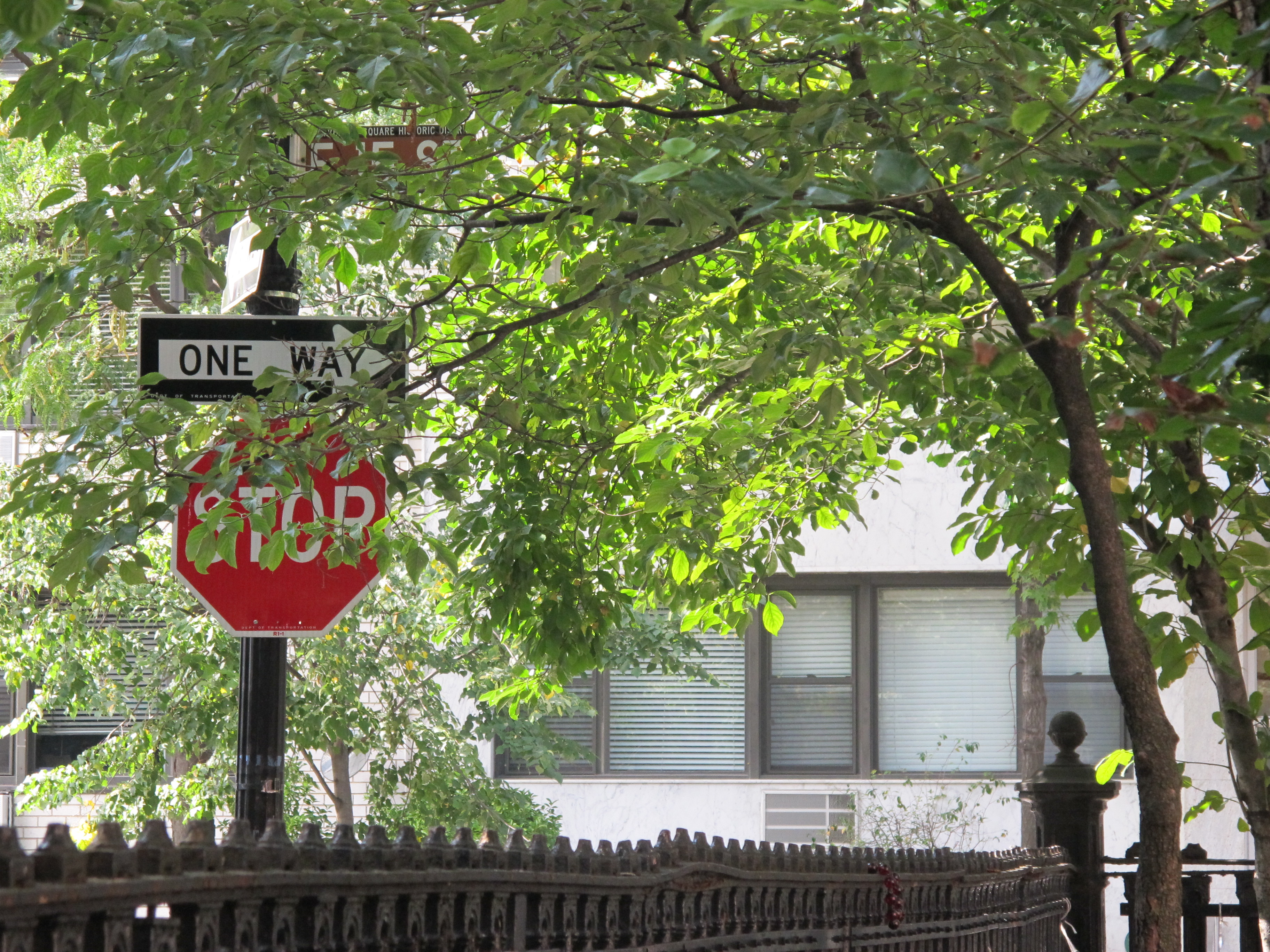
view from steps of Quaker House

What to bring: We will use a ‘talking stick’ or ‘talking stones,’ as developed by Native American traditions for serious, deep talks. If possible, participants are encouraged to bring family documents, photos, news clips and other items to ‘show and tell’ about their family story, research journey, and personal experience related to the “aftermath, trauma of slavery.’

I may bring a news clip about my uncle’s lynching in Mississippi. In the past, participants shared documents of slave ownership in their own families. Others have shared a wide range of topics from Great Migration photos, Census papers, stories about domestic workers, sharecroppers, survivors of police harassment and brutality, workplace, housing racism, experience with White and light-skinned privilege, to samples of traditional food from slavery times.

We offer genealogy help, such as tips for finding slavery records in your family or community documents, and guidance on what to do with such documents. Because of the serious nature of our topics, we must respect people’s trust issues and our concern for providing a ‘safe place’ for our talks. Therefore, we cannot allow ‘observers’ or ‘listeners.’ We want to protect our participants from ‘spies’ who just want to hear private, family, traumatic, personal racism stories. These gatherings can become very emotional and are intended to help people.

Our long-time CTTT group is an eclectic mix of clergy, social workers, teachers, journalists, photographers, bakers, actors, descendants of Thomas Jefferson, and more. Photos are allowed at the beginning and end of our sessions. We look forward to meeting you. Please RSVP to Julie at: parkerhead@earthlink.net or call 917-613-3788.


Flowers, parades, memories

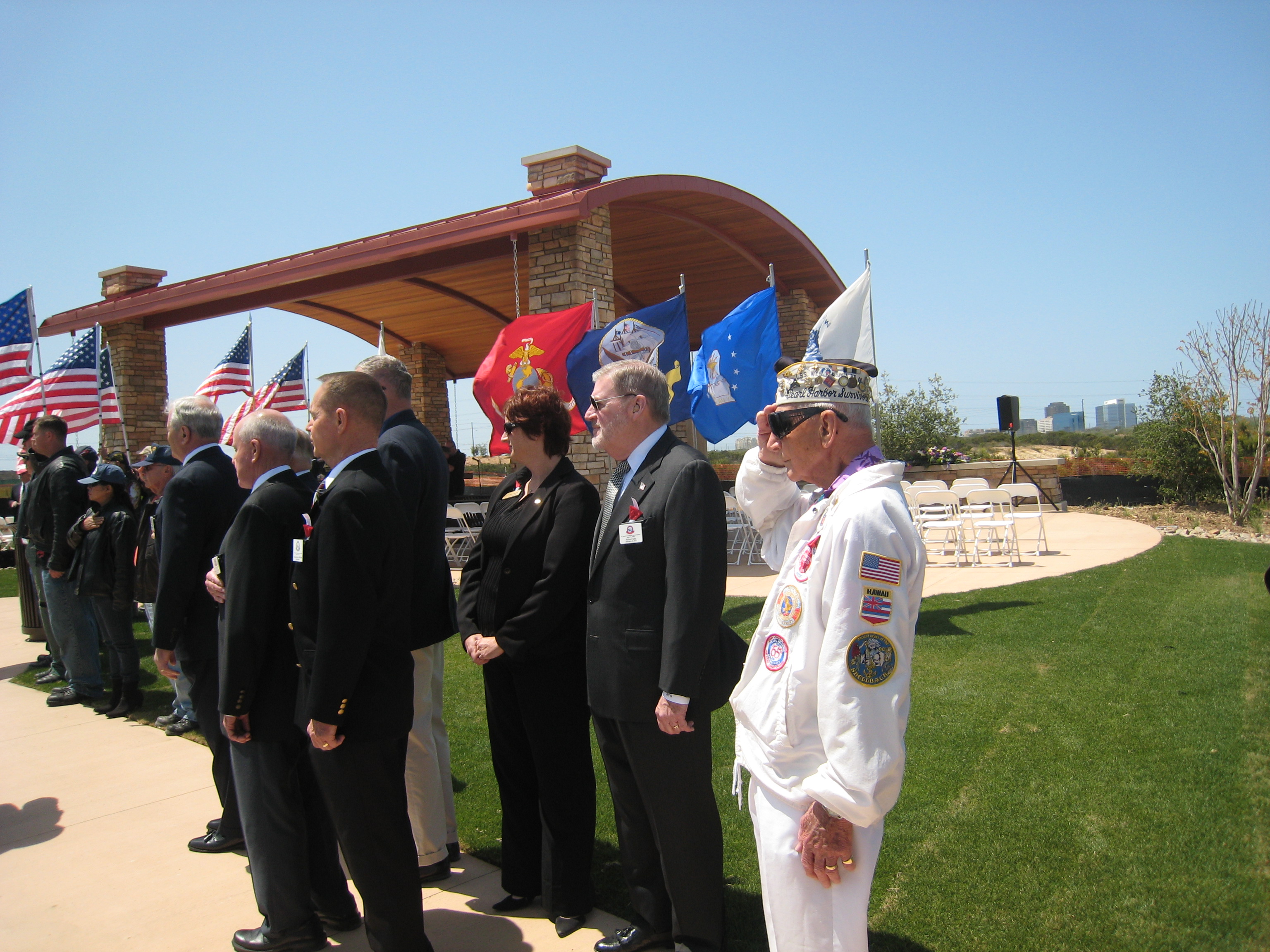
Flowers decorated the graves of dead soldiers who fought in the Civil War. It was a beautiful, lovely tribute to those who paid the ultimate price. Our national holiday was initially called ‘Decoration Day,’ named for the local flowers that were placed at those Southern burial sites. Today, the holiday is known as Memorial Day. There are many stories about how Memorial Day got started. Many of our relatives were there. But somehow, some of our stories are missing from American history texts. Click here for a link to my past post about the African American origins of Memorial Day.


US Color Troops, Civil War

They served in the Civil War and even before that, historic documents prove. One of my relatives may be in the Book of Negroes, a story featured in a recent PBS series, about Negro soldiers who fought on the British side during the American Revolution. My white ancestors served in the Civil War. I think I found at least one of my black ancestors who served in the US Colored Troops. I am still digging to find the records of those brave souls. Click here for highlights from the Book of Negroes.


But today I am taking a break from my genealogy research. While working in my flower garden, memories about Memorial Day parades came to mind. I recalled hearing drums and bugles and running towards the sounds. I saw uniformed men and women of all ethnic backgrounds marching and saluting in formation on the parkway.

Final internment of my brother John A. Smith

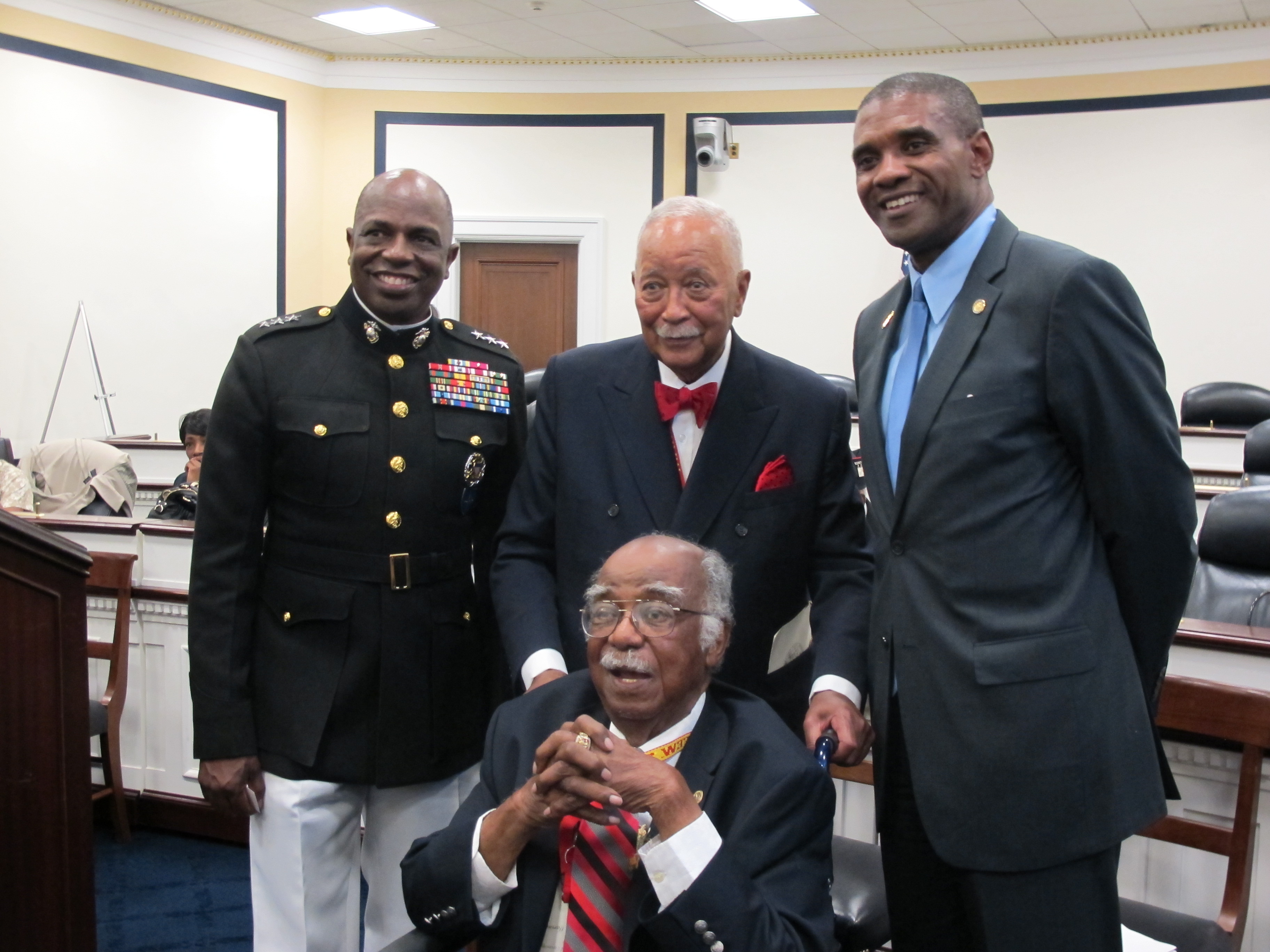
Do you remember Memorial Day parades? My reflections were from childhood. Images of pageantry, uniforms, marching bands, military women and young soldiers filtered into my mind. I especially remembered the old white soldiers from the American Legion and Veterans of Foreign Wars proudly wearing their medals. I especially loved the old Black soldiers (and Latinos too) — the Harlem Hellfighters-369th Infantry Regiment, Buffalo Soldiers, Tuskegee Airmen, and the Montford Point Marines.


Throngs from the neighborhood would squeeze together to lean over the wooden barriers to see the action. There were black regiments and famous marching bands too. You could hear their drums and trumpets charging ahead from blocks away. They would step and strut with style! It was showtime. The crowd went crazy and joyful tears flowed. The black soldiers were the stars back then! Today, our military parades are different. America is different.


Montford Point Marines

My husband said he marched in Memorial Day parades as a teen with the segregated Boy Scouts. He said his troop marched up Hillside Avenue in Queens during the 40s or some time after WWll. My memories were from 1950s Brooklyn on Eastern Parkway. I think I was with my brother Sidney and our dad.

Lots of folks claim they started Memorial Day —African Americans, Southern white women, folks from Boalsburg, Pa, Waterloo, NY and Carbondale, Ill. They all may be right! I wonder what you think. Click here for the US government’s version of Memorial Day’s history. Yes, May is a great month for flowers, parades and memories.

Slavery, genealogy meetings

The 'circle process' is utilized for Coming to the Table's 'deep dialogues' about slavery, racism, and genealogy.
The ‘circle process’ is utilized for Coming to the Table’s ‘deep dialogues’ about slavery, racism, and genealogy.

Slavery, genealogy, race, family legacy, white privilege and healing will be among the central topics discussed at the Coming to the Table (CTTT)-New York City Metro Chapter meetings.

As co-leader with Julie Finch of the CTTT-NYC Metro Chapter, I am extending an invitation to my friends and readers of my blog to attend our upcoming meetings. The next meeting is set for Saturday, April 11, noon-4pm. We hope to recruit new CTTT members and hold public meetings every two months. Our meetings are free.

Gather together with like-minded folks interested in the Mission and Vision of Coming to the Table. Share stories, build friendships, and help us plan future meetings together. As is our tradition, we usually eat a small meal together in a gathering of multi-racial people.

Many in our group have done extensive research and can identify and document their family’s involvement with slavery—either as a descendant of former en-slavers, formerly enslaved persons or both categories. I am a descendant of both! Some of us are expert genealogists and can assist you with your family search. Some of our white members have already attended family reunions with their ‘new-found’ African American linked-ancestors! Our members include descendants of Thomas Jefferson and Sally Hemings, Pocahontas, American Revolution and Civil War veterans and more.

For deep sharing, please review Touchstones prior to the meeting. We use the Circle Process for at least part of our time together. So, please review our circle process that is based on Native American tradition, sometimes with a talking stick or stone, for deep dialogue.
Coming to the Table provides leadership, resources, and a supportive environment for all who wish to acknowledge and heal wounds from racism that is rooted in the United States’ history of slavery, a major part of the Trans-Atlantic Slave Trade.

Our approach to achieving our vision and mission involves four interrelated practices: 1. Uncovering History: researching, acknowledging, and sharing personal, family and community histories of race with openness and honesty. 2. Making Connections: connecting to others within and across racial lines in order to develop and deepen relationships. 3. Working Toward Healing: exploring how we can heal together through dialogue, reunion, ritual, ceremony, the arts, apology and other methods. 4. Taking Action: actively seeking to heal the wounds of racial inequality and injustice and to support racial reconciliation between individuals, within families, and in communities.

To learn more, and to RSVP, click here!
We’ll send info about the location (in Manhattan) to those who RSVP. We look forward to a wonderful afternoon together.

For more information send Email: office@comingtothetable.org
Phone: 1-877-540-CTTT (2888)
Toward peace!