Christmas in Puerto Rico

Christmas in Puerto Rico

Christmas in Puerto Rico

I was grateful for another Christmas in Puerto Rico. I’m still feeling the holiday spirit! Remember Three Kings Parade at El Museo del Barrio is this week! For more info click here.

It’s still Christmas in many places in the world! How was yours? We celebrated my dear husband’s 84th birthday in Puerto Rico. We were so grateful to be able to mark his double blessings together, especially since he was recovering from carpal tunnel surgery. Christmas on this Caribbean island is said to be more a marathon than a sprint. Our five-day sprint was a joyful ride. We stayed at the Ritz Carlton in Isla Verde/San Juan. It was a blissful time full of lovely people, memorable moments, delicious food and festive surroundings.
Christmas in Puerto RicoLovely People: Puerto Ricans know how to show love to Christmas babies! Before checking in, a fun-loving staff greeted us. Carrying tall flutes of champagne splashed with tamarind juice, a jolly chubby fellow called out to us: “Is that you Byron? We have been waiting for you all day! We are your birthday ambassadors!” More jolly fellows joined in to sing a Spanish birthday song—

Feliz cumpleaños a ti
feliz cumpleaños a ti
feliz cumpleaños querido/a Byron)
feliz cumpleaños a ti
.

They also sang Jose Feliciano’s ‘Felice Navidad.’
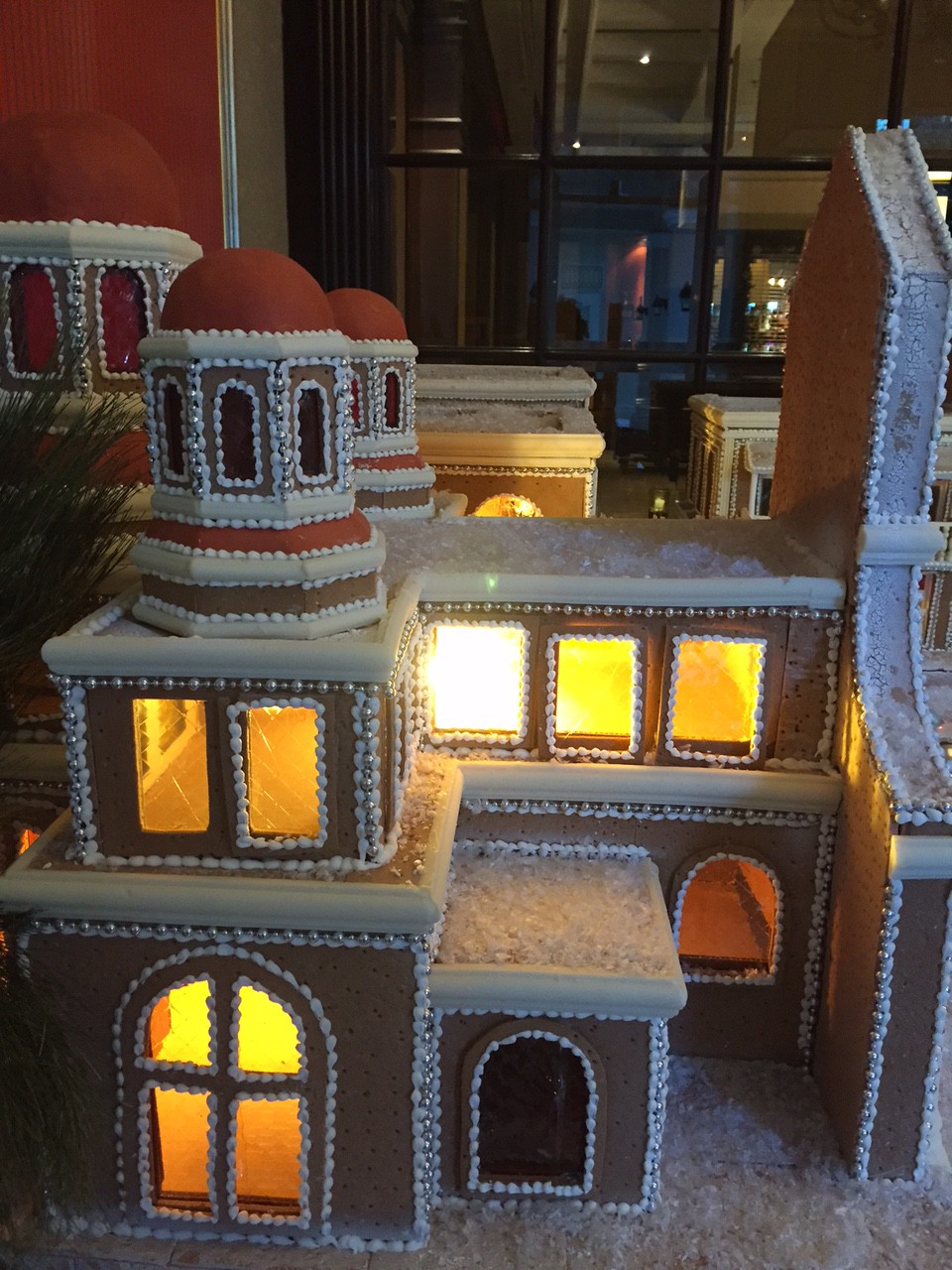
Christmas in Puerto Rico


In fact, we were greeted daily with serenades and salutations. This hotel staff went far above the call of duty to make our stay a memorable one. (I had heard from a Housekeeping staffer that Byron was the oldest hotel birthday guest that week!) Anyway, we had such fun that we never ventured off campus to see town sights.

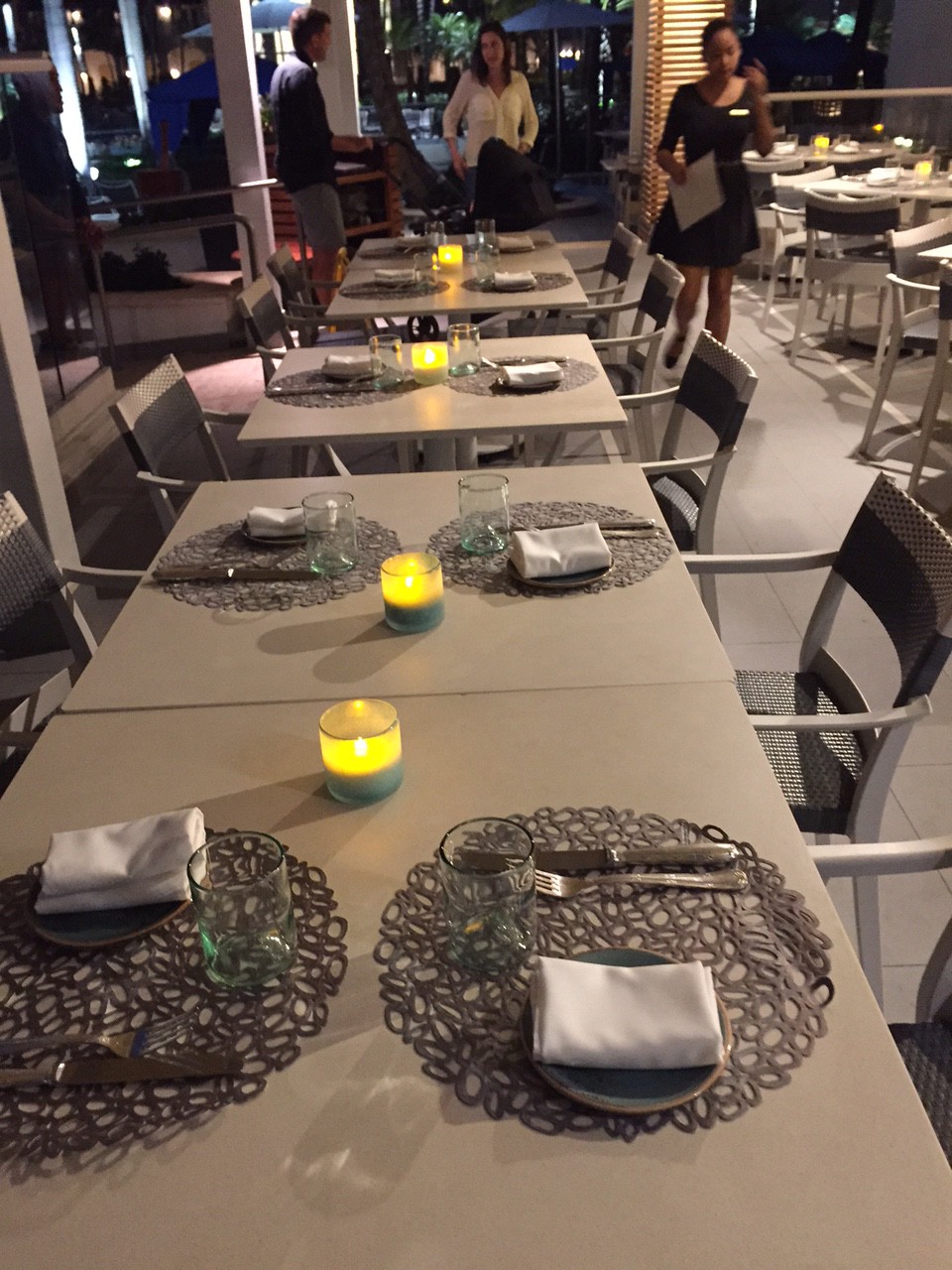
Delicious: We ate all of our meals at the hotel that featured several world-class options. The buffet breakfast at the Mares Restaurant offered a casual abundance of Caribbean and Atlantic fare: Puerto Rico coffee, champagne with guava or papaya, fruits, cereals and breads. Jeremiah, a Trinidad-Boston-London brother, who worked the pans for points, cooked omelets to perfection. Our Christmas breakfast featured a plate decorated with a ‘Happy Birthday’ message.
 

Christmas in PR


Christmas in PRDinner Talks: I especially enjoyed conversations about Puerto Rican food and culture with Ocean Bar Grill staffers. We ate dinner there every night except for our last night. I am so thankful to everyone there, especially a lovely person named Ivy, who made the best cup of coffee in the world! She also shared her extensive knowledge about the island’s unique foods and traditions. Another knowledgeable and helpful staffer, Juan Carlos, designed an original birthday card that was signed by lovely co-workers. We were honored to meet chef Ernesto Alvarado, who turned out creative variations on traditional island food themes. I became addicted the yucca biscuits with coconut butter that was served with each meal. The pigeon peas with risotto were an amazing twist on the traditional arroz con gandules infused with sofrito and sazon. The menu there is delicious!
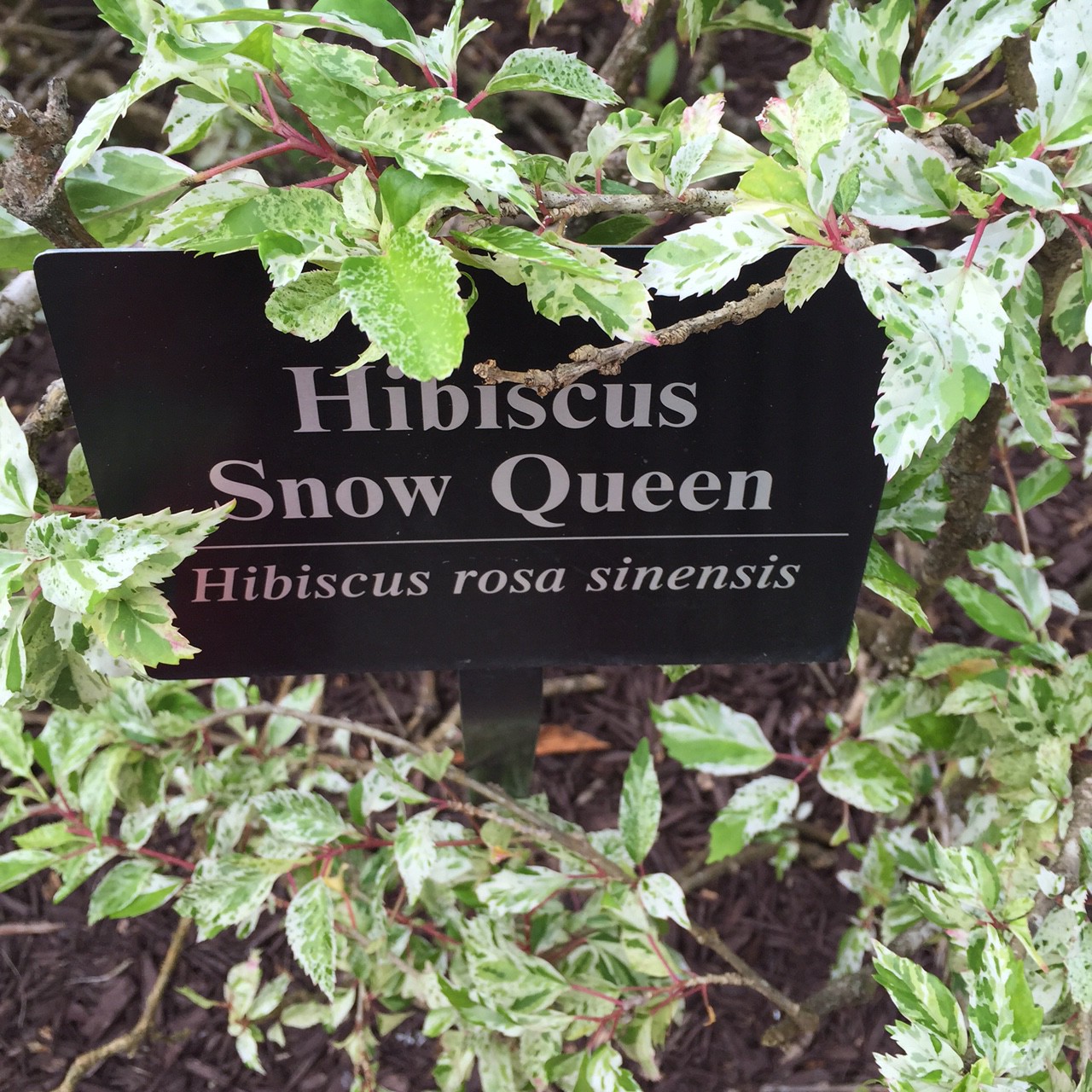
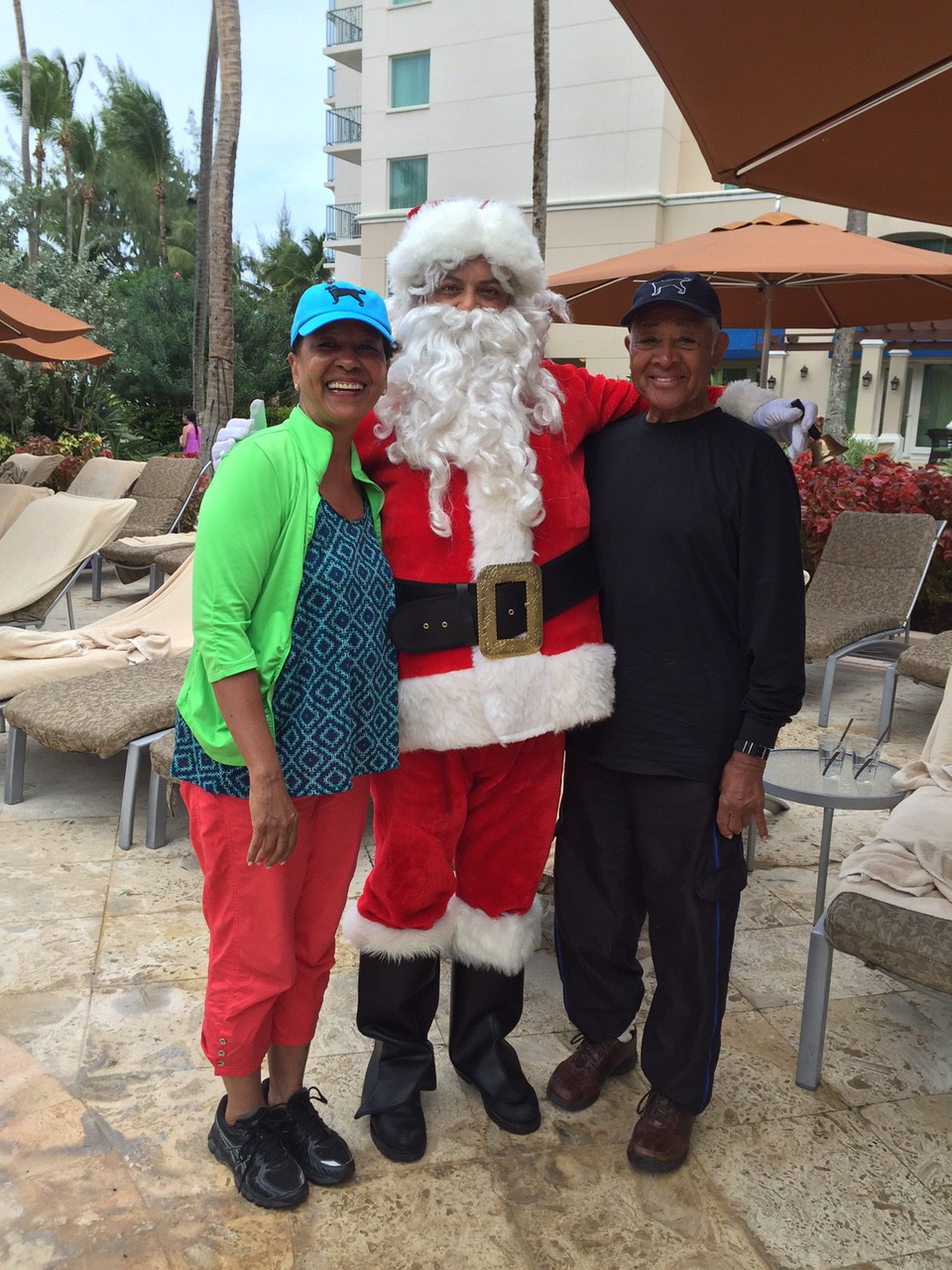
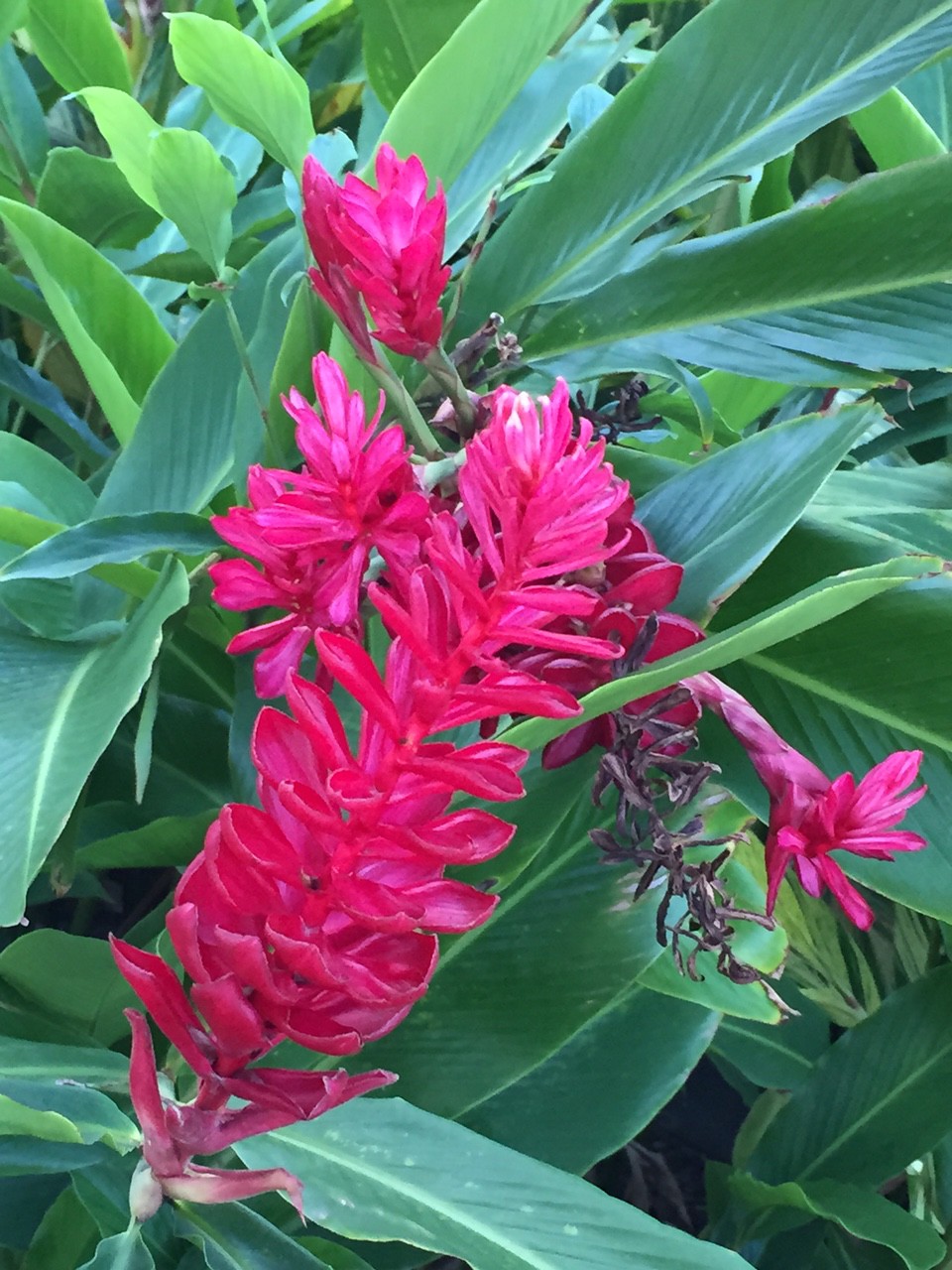
Christmas in Puerto RicoMagic moments: There was a light rain on a hot Christmas morning. Just as the sun returned, Santa Claus greeted us by the pool. Watching the black birds splash in the fountains and an iguana strut by reminded us it’s their planet too. We loved strolling along the seashore and listening to the sound of waves. Gardeners would be happy here too. Small signs identifying plant names were placed all around the lovely grounds.

On our last night we dined at the hotel’s BLT Steak Restaurant. Designed like a French bistro, this eatery operates in several other cities. This restaurant’s staff also presented special birthday greetings and dessert treats. I enjoyed the spiny lobster tail, asparagus and roasted Brussels sprouts cooked with pumpkin and pancetta. Byron’s coconut bread pudding with rum ice cream was amazing.

Christmas in PRPR Memories: My most memorable Christmas was spent in Puerto Rica decades ago. So, it was a joy to return. Back in the 70s my girlfriend and I traveled from our San Juan hotel to visit NYC friends whose family lived in the interior mountainous region of Utuardo. Once there, we visited the ancient Taino ballpark. Later, the Diaz family adopted us.

Traditions: Our hosts took us to their church for misas de aguinado, Mass held at dawn, where folk songs called aguinaldos, Puerto Rican Christmas carols, were sung. We were invited to join the parranda, carolers that traveled from house to house. We sang songs and played guitars under the windows of sleeping neighbors until they woke up. From their open windows, happy strangers smiled at us and waved us inside their homes. Such wonderful hospitality was a dream. Once inside, they gave us sips of coquito,(special rum eggnog) and a snack, and on to the next house we went. This pattern continued until we visited every neighbor. I was so drunk that I strayed into the night jungle looking for crickets that I thought were calling me by my nickname: ”Cookie, Cookie!”
Christmas in PRRoast Pork Party: I also experienced my first roast pig party in Puerto Rico. It’s an authentic local food tradition that featured music, dancing, eating, and storytelling with the whole community. Slaughtering, prepping and cooking the pig is the centerpiece of the week-long holiday ceremony. Organizing ingredients, materials, and setting up the cooking fire was quite a production. The family that cared for and fattened the pig and the pig’s ancestors was also part of some of the stories recounted. After the fat pig was slaughtered and cleaned by the men, a women’s team took over. I was invited to join them. We prepared and applied a marinade and dry rub. Stalks full of fresh garlic bulbs, bushes of fresh oregano, baskets of local aromatics and sour oranges were among some of the ingredients that I can recall. We made many small slits in the pigskin with sharp knives to insert hundreds of garlic cloves. We slathered and massaged the pig with marinade. Once done, the seasoned pig was set for the night. All the while there was multi-generational merriment including dancing, singing, drinking, eating, and more storytelling. By dawn, the pig was tied to a long rod by a two-man team. They cooked it by turning it over the hot coals all day.

Have you ever enjoyed Christmas in Puerto Rico?
Watch Night is also a time to cook traditional food.

Watch Night

Watch Night is also a time to cook traditional food.


It’s been a while since I attended Watch Night services at church on New Year’s Eve. But many family members and friends still do, in between all the New Years Eve cooking that they are doing. Did you cook special foods on Watch Night to bring good luck? Greens are believed to attract dollars and beans will bring extra change! New Years Eve is a night that I keep up my family’s food traditions too. My greens were marinating as my beans cooked when I wrote this post. My Watch Night memories? Service at my preacher uncle’s Pentecostal church on New Years Eve stands out. The Gospel band rocked and the air was electric. My brother Sidney was 7 and I was 6. We accompanied our father to service where he played the piano. ‘Saved’ folks danced, shouted, spoke in tongues and some of them passed out. Then a crew of my ‘aunts’ wearing white dresses and gloves appeared and carried away those who passed out. They placed them on a side pew and fanned them until they revived. One aunt winked at us in the middle of all this commotion. I guess she was letting us little ‘un-saved,’ Catholic/Buddhists kids know that we would be okay. Although the ‘spirit’ scared the daylights out of us, we loved it too. I always wondered if the spirit was going to get us and take us away. No one ever mentioned the word ‘slavery’ at any Watch Night service that I can recall. In fact, today, some of my relatives get angry if I bring up that dreaded topic!

Genealogy/History: But I am a historian and a slavery expert. On New Year’s Eve I wish more Americans would pay attention to history and their genealogy. It’s all related—food, family, history etc. In fact, we are all related. We share many linked descendants because of our unique American slavery history. For example, I recently discovered a new DNA white cousin. But after I informed him that I was a person of color with a mixed heritage, he said: “There must be some mistake!” Sorry, buddy. DNA does not lie! We are third cousins!

Watch Night is part of genealogy search

Very few folks black or white care to remember that this historic night – Watch Night- is about slavery—the end of it. This year (2013) is the 153rd anniversary of the signing of the American Emancipation Proclamation—the end of the enslavement of Diasporan Africans. But, by now we all know that the emancipation was all an illusion. Slavery did not really end. The aftermath of slavery left deep wounds that continues to harm all of us. My white friend who discovered, through genealogy, that her ancestor lynched and murdered innocent black folks, is still today in 2016, very affected by her family’s past. Scientific evidence has proven that vast numbers of African Americans suffer from extensive racism caused by the aftermath of slavery.

”For more than one hundred years, scholars have written about the illusory nature of the Emancipation Proclamation. President Abraham Lincoln issued a declaration purporting to free slaves held in Southern Confederate states, but not a single black slave was actually free to walk away from a master in those states as a result. A civil war had to be won first, hundreds of thousands of lives lost, and then—only then—were slaves across the South set free.” From ‘The New Jim Crow’ by Michelle Alexander, chapter 1, pp20, ’The Rebirth of Caste.’ To read more, click here for link.
Watch Night services were held in church on New Years Eve.

Year-end reflections: When I reflect on this year, I can say that despite amazing professional and personal achievements, I am glad it is over. Our planet needs healing in so many areas. We should start with grief therapy. I believe that we can all benefit from therapy, counseling. I hope more of us will seek help and enjoy the benefits of mental and spiritual wellness.

I am grateful for the Millennials who organized the Black Lives Matter movement and their intersectional allies. I am also encouraged to see more privileged people waking up. Today’s civil rights activists are stepping up. My parents and their allies were relentless. My generation—Boomers—grew up keeping the pressure on. My hope for 2016 is that today’s activists will find the strength to keep on keeping on– mobilizing our country to fight against caste systems, unfairness, and other destructive ways to people and the planet.

Seek art in all forms: Now more than ever, I feel that our chaotic world needs more artists—dancers, musicians, poets, writers, painters, actors, chefs, gardeners, builders, new media, and all forms of art. Only artists know how to express hopeful visions and tell simple, truthful stories that cannot be denied. I look forward to expanding my involvement with the arts especially for healing in 2016.

In honor of the 153rd anniversary of the signing of the Emancipation Proclamation, learn about US President Obama’s favorite artwork that he had installed on a White House wall, in the Oval Room. The painting “Waiting for the Hour” tells a pivotal American story about the hour that slavery ended on New Year’s Day. Click here to read the full article.

Watch Night recalls Emancipation Proclamation 150th anniversary stamp

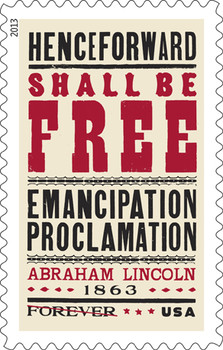
Also art-related, in 2013, to mark the 150th anniversary of the Emancipation Proclamation, the US Postal Service issued a specially designed stamp to mark the historic occasion. Click here to read about the stamp.

Do you attend Watch Night church service on New Year’s Eve? Did you make any resolutions for the New Year?

Save

Self-care is warfare

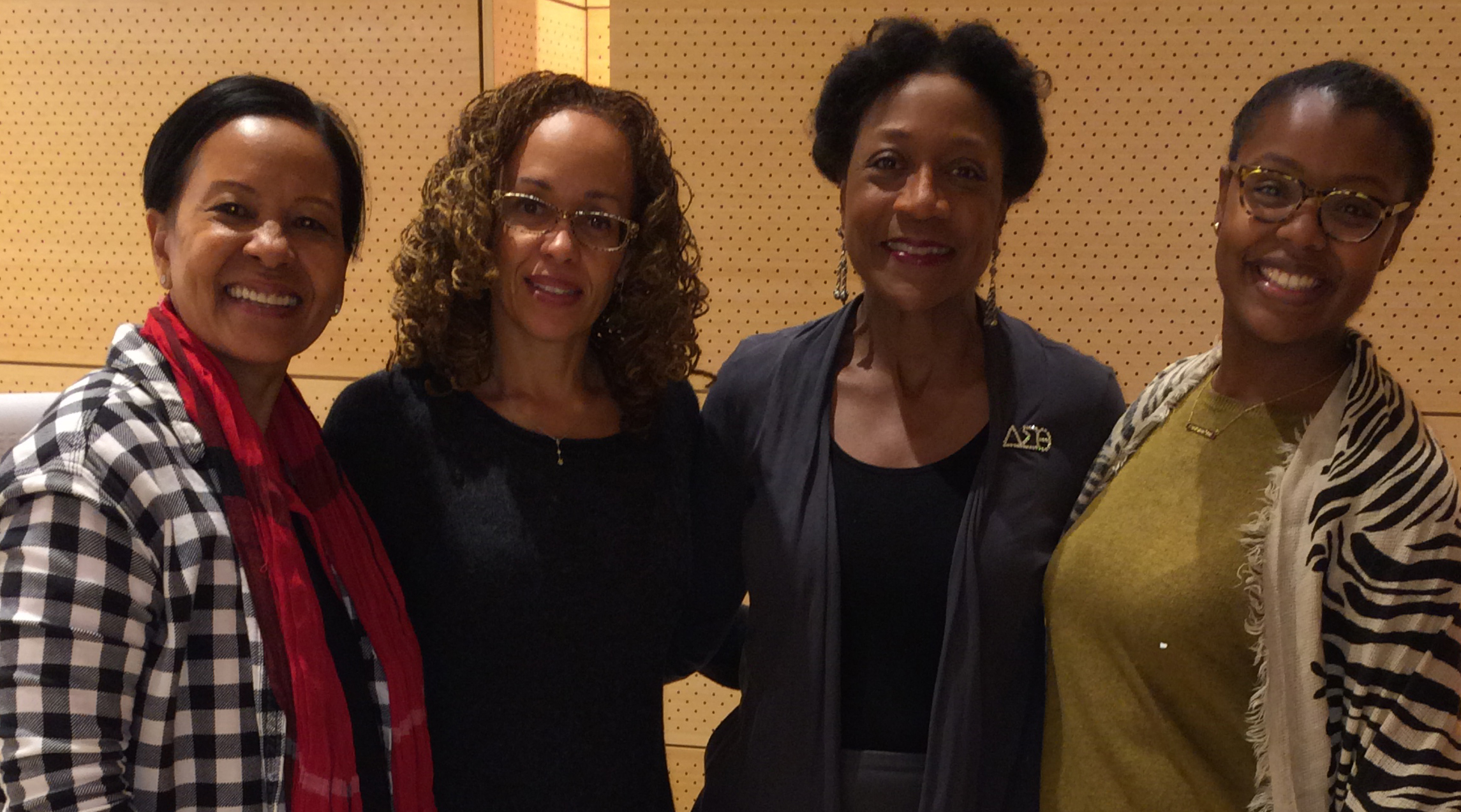
Self-care event:L-R: Sylvia Wong Lewis w/Robin Stone, journalist; Marva York, attendee; Mimi Woods, NY Delta, Health & Wellness Committee Co-Chair.
Self-care event: L-R: Sylvia Wong Lewis w/Robin Stone, journalist; Marva York, attendee; Mimi Woods, NY Delta, Health & Wellness Committee Co-Chair.

Self-care is warfare. “Caring for myself is not self-indulgence, it is self-preservation, and that is an act of political warfare.” Audre Lorde’s much loved quote opened discussions on Thick, a documentary about black women, eating, stress, and size by Robin D. Stone, a journalist and health coach. The NYC premiere screening was a Delta Sigma Theta Sorority-NY Alumnae Chapter, Health & Wellness community outreach program. Click here for more on the Delta-NY Alumnae Chapter programs.

Thick” Highlights:

Thick is a perfect title for a much needed conversation about being overweight in a stressful world. The recent timing, Tuesday, 11/17/2015 at The New School, was ideal as we get ready for Thanksgiving. Being ‘thick’ in all the right places—butt, legs, breasts— is considered attractive. Therein lies the mixed message. Would you risk your life and health to be sexy? There are many ways to answer this question. According to the Urban Dictionary, a ‘thick’ woman is “sexy, curvy, full-bodied, or big boned.”

‘Thick’ Black women were the stars of Stone’s documentary. Each told personal stories about weight, eating, and stress. One discussed her man’s preference for a ‘woman with some meat on her bones.’ Several recalled stories about ‘thick’ relatives who loved over-feeding them. One Sister listed diseases in her family resulting from obesity—diabetes and stroke. Another Sister recalled an obese friend who recently suffered a heart attack at 30! One young Sister, 19, reflected on her mother’s recent death from diabetes.

Self-care: 'Thick' was shown on screen at New School

We were invited to “listen, witness and reflect.” It was wonderful group therapy in a theater full of multi-generational black women!

“We as black women are not supposed to be here. We were not expected to survive our history,” said Ms. Stone.

During the Q & A session, several shared micro-aggressive comments from family and friends: “Why are you going to the gym? You’re not fat!” “I know you don’t do drugs, so why are you losing weight?” The connection between money and access to healthy food was discussed. Bulimia and extreme weight loss was also part of the conversation. But emotional and mental stress was a major focus.

“As caretakers of the world, it’s time for us to get radical about our self-care,” Stone said.

Self-care: from 'My Fat Genes'

My Fat Genes: Attending this event made me think about my fat relatives. I witnessed their difficulties. It is war! Like Oprah, they would win and lose their battles against weight gain several times over the years. We continue to cheer for them for being on a healthy journey. Event attendees wondered about what words should we with ourselves and others when the pounds pile back on. Do you say: “Big is beautiful” or “It’s ok to be you!” The current trend for big butts, breasts and implant surgeries was also discussed. One Sister in the film said that her doctor’s advice to get lap band surgery was a wake-up call. A while back I posted My Fat Genes to show the importance of genealogy with tips on how to learn about your family’s health history. What illnesses do you have in your family that are preventable through healthy lifestyle choices?

Click here to read more from My Fat Genes.


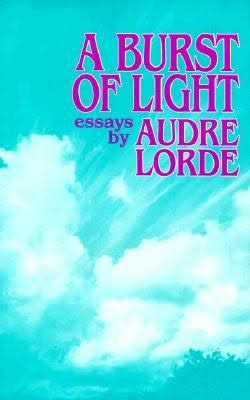
Audre Lorde’s quote: Self-care is a physical, emotional, mental, and spiritual war. The Delta event inspired me re-read Lorde’s writing and the writing of other Black feminists who posted about her work, especially, A Burst of Light. I had forgotten that Lorde’s popular quote was taken from stories written while she struggled to live with breast cancer that had already spread to her liver. Clearly, she was fighting the battle of her life. Lorde fiercely described the challenges, from diagnosis, Western and Eastern medicine practices, doctors, so-called ‘experts,’ natural remedies, treatments, and prognosis. Lorde’s legacy to us then, is to get ready for battle on many fronts and keep fighting to the end. Here’s an excerpt from a commentary about Lord’s ‘warfare’ writing.

Self-care: Audre Lorde's book A Burst of LightA Burst of Light is an account of how the struggle for survival is a life struggle and a political struggle. Some of us, Audre Lorde notes, were never meant to survive. To have some body, to be a member of some group, can be a death sentence. When you are not supposed to live, as you are, where you are, with whom you are with, then survival is a radical action.”

Click here to read the full post.

In conclusion, Thick was a bold reality check for black women’s health. I thank Ms. Stone and the women who participated in this soul-searching documentary for their courage, honesty, and inspiration. I also thank the Deltas for excellent community outreach. I believe that many left the event feeling inspired and motivated to do at least one thing —take a walk, drink more water, or cook organic meals.

As the event closed, we were given three self-care prompts for homework:


  1. What does your body reveal about your life story?
  2. What has your body taught you about life?
  3. What have you had to do to have peace with your body?

Click here for more on Robin Stone’s health coaching.

What stories does your body tell you today?


Holiday Reunion memories

Holiday reunions are coming. Are you ready for your crazy relatives? Back in the day, every weekend was a holiday reunion. The menu, script, and cast of characters were always set. There were always surprise guests and food items. Sometimes Dad’s Harlem-Southern and Mom’s Chinese West Indian folks would visit at the same time.

Aunt Jerri Smith w Miriam Hopkins, in 'Smiling Lieutenant,' 1931.
Aunt Jerri Smith w Miriam Hopkins, in ‘Smiling Lieutenant,’ 1931.

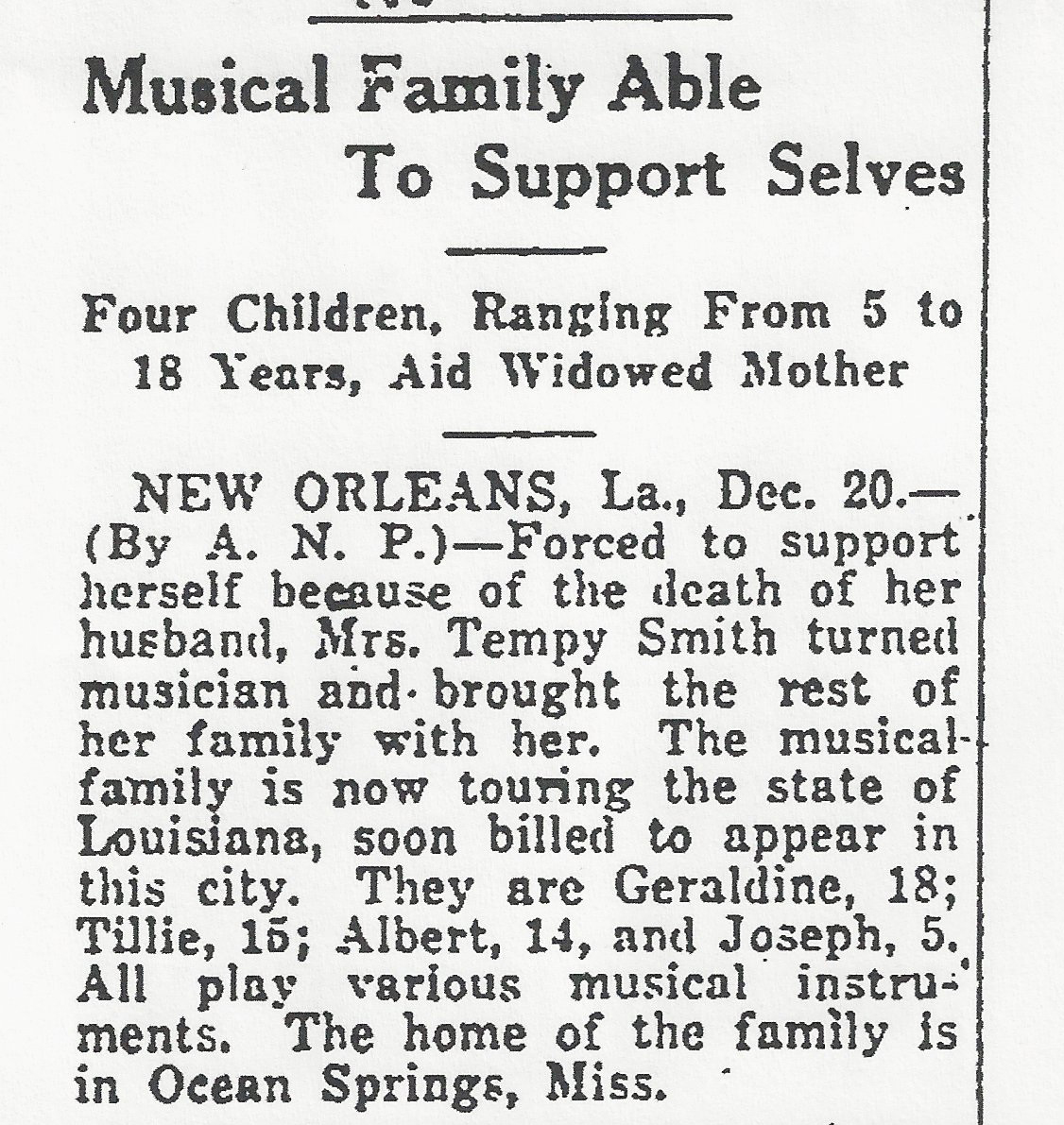
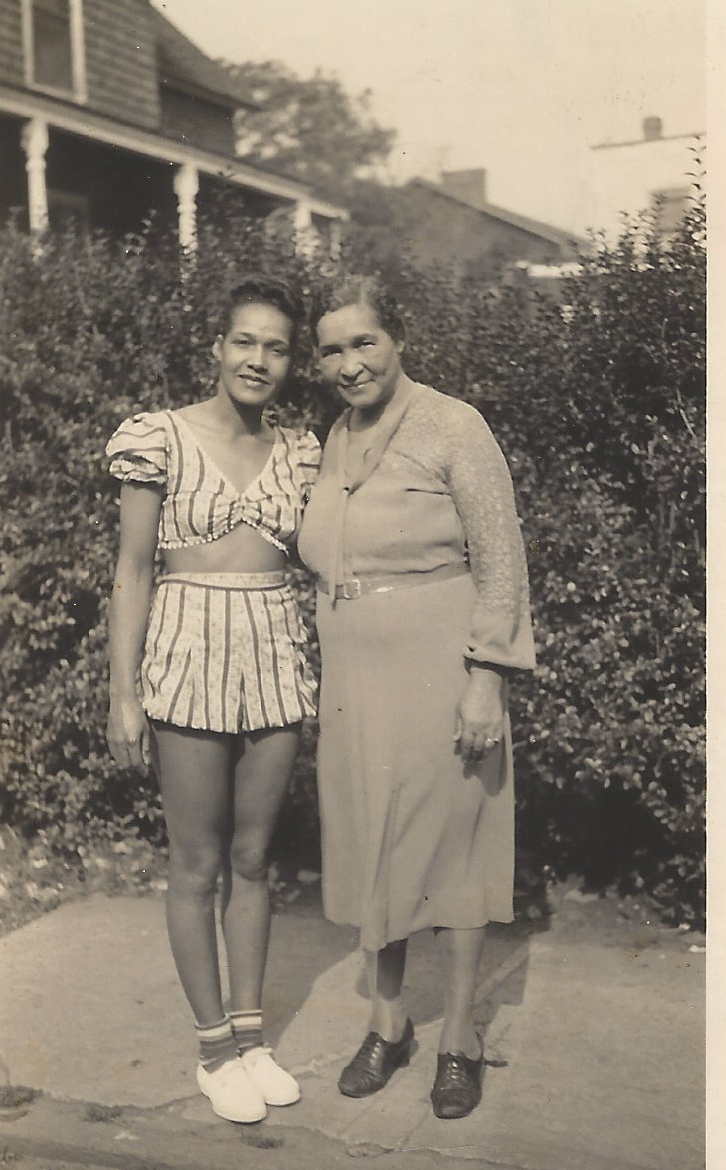
But today, because we recently recognized my Dad on Facebook for Veteran’s Day, I am still thinking about his people. Thanksgiving was a big holiday for them. They were part of America’s largest migration of Black folks from the Deep South to the North. Dad and his siblings performed ‘on the road’ in a family musical show from Mississippi, New Orleans, and many Chitlin’ Circuit venues all the way to Harlem. Their journey was documented in Harlem Renaissance news clips found during my extensive genealogy searches. Music, religion, food, and drama are my most vivid memories. We routinely gathered on Sundays after church at Grandmother’s house. Madame Tempy Stuart Smith or Mother, as she was called, was our Pentecostal matriarch. To her, folks were either ‘saints’ or ‘sinners.’

Drama genes: Scientific DNA proof that drama genes exist may still be unproven. But I’m sure Dad’s very intense family have strong drama genes! From the kitchen to the living room, basement, backyard porch, and dining table, there would be drama with this clan. Invariably, someone would say something. Drunk Uncle might quote the Bible. He would call out The Hussie and her daughter, Hoochie Girl as sinners. “They are not saved!” Family Peacemakers and ‘saints’ would rush in to quiet the gossip. Funny Elder Male Cousin would imitate an X-rated Red Fox’s comedy routine. Tap dancing, piano playing, and singing aunts, uncles and cousins would compete to showoff their skills. There would be multi-generational knee slapping, head shaking, laughter, arguing and applause. There would be tears too. Memories of many long gone or a new trauma would shift the mood. These intimate gatherings were loud, lively and could last for days. My parents, both classically trained musicians, inherited four pianos, leftover from grandmother’s music schools. Positioned in the front and back on three floors of our Brooklyn brownstone, our pianos were used by visiting artists to rehearse shows as well as by us for home entertainment. No TV or Internet folks! Live entertainment! Classical piano training and dance was mandatory in Dad’s family. We were all pupils, tutors, or teachers at grandmother’s music schools. Some of my family performed in Hollywood films and on Broadway with Cab Calloway and Sammy Davis Jr. Everyone could be called on to perform a dance step, play a concerto, recite a poem or sing along. My eldest cousin Sonny, a masterful pianist, Aunt Kaye’s son, tutored me on Beethoven Sonatas during these gatherings.

MusicalFamilyAbletoSupportSelves


Cast of characters: Dad was the mellow one. Everyone else seemed to have fierce personalities. We often blamed our African, Cherokee and European Creole ancestors for their colorful behavior. Who was going to ‘show out’ this time? Did anybody care that some of us children were too sensitive to be exposed to them? No! Kids didn’t matter back then. My Brother Sidney and I both wondered if we were born into the wrong family. Fueled by our Chinese West Indian Mom’s teachings about Hindu and Buddhism, we would speculate about reincarnation and other spiritual forces. Were we here before? What if we were born during another era, as a different gender, race, nationality, or from another planet?

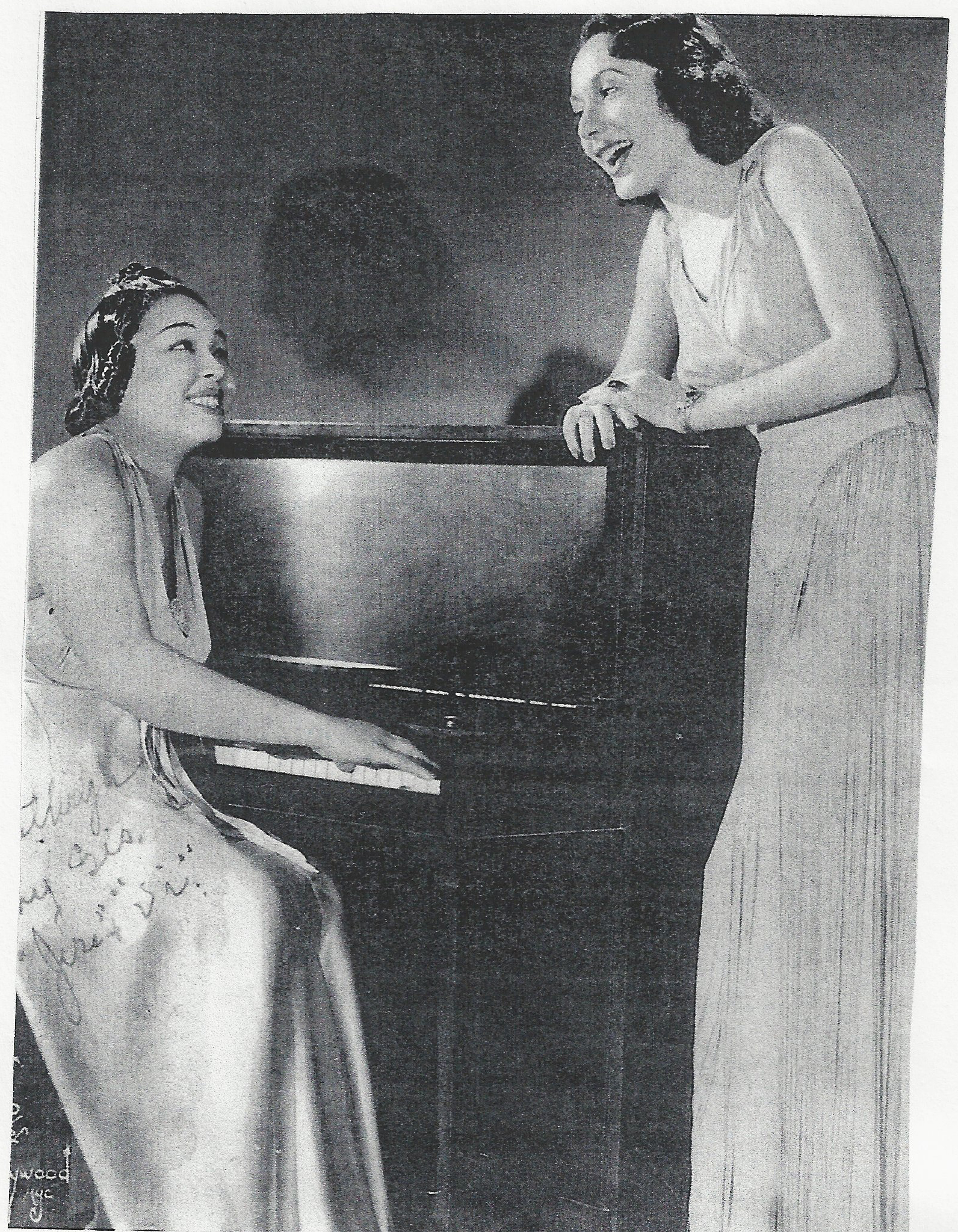
What planet did our Family Diva Queen, Aunt Kaye come from? She was one of my father’s three sisters. Making a grand entrance, like Lena Horn, Aunt Kaye often appeared with her ‘friend’ Aunt Dorothea. ‘Bull Dagger’ and ‘dyke’ were labels we heard in reference to Aunt Dorothea. But no one dared say that to her face. We loved and admired Dorothea’s magnificent contralto voice, especially singing Negro Spirituals. She was one of the world’s first dark-skinned African American opera singers who regularly toured Europe. Dorothea was a true Grand Diva. Off stage she wore tailored men’s suits and could knock back whiskey shots like a man. One day Miss Busy Body asked: ‘But, where’s cousin Sonny’s dad, Uncle Brigman, Aunt Kaye’s husband? ”Oh, him!” snapped Kaye. “He raped me! Folks would rolls their eyes. “Yes, he did. Twice, in Grants Tomb!” Aunt Kaye was known to exaggerate, faint and threaten suicide. As children, we were simultaneously distressed and amused by her.

Aunt Kaye with her mother Madame Tempy Stuart Smith


After a few sips of her cocktail, Kaye would show out. She would go from poised, well-spoken Negro film star to full-blown crazy, finger-pointing, squinty-eyed, possessed lady. “What kind of family is this? None of you love me! When was the last time YOU called or YOU visited me? Not one birthday card from anybody! None of you care about me! Why don’t I just go and jump off the Brooklyn Bridge?” Under her breath, Sanctified Aunt said: ”Oh Lord, there she goes again with that fake madness! She should go on then. Do it! Spare us the drama!” Eventually, order would be restored. We would end up hugging and telling Aunt Kaye that we loved her—about a million times through the night! Thankfully, at these holiday reunions, food and festive beverages would be the featured attraction and distraction.

Holiday food: Our holiday feasts always paired traditional menus of Southern Creole and Caribbean food because of our mixed heritage. It was never just about turkey, collards greens and cornbread. The Thanksgiving soul food menu is quite diverse.

“There’s a wide repertoire of food. Everybody understands the iconic list of greens and pork chops and corn bread and sweet potato pie. But that is only a minor list of all of the different foods that people eat within their own communities,” says a researcher at Thomas Jefferson’s Monticello.” Click here to read more about our ancestors’ regional holiday foods.
Naturally, Christmas is huge in the Caribbean. Each island offers a unique style of cooking using regional ingredients.

“The fact is that no one celebrates Christmas with more verve and gusto than the folks in the Caribbean. From Puerto Rico to Guadeloupe to Jamaica, the holiday is a time for fun, family and food. Each island puts its own stamp on the season, but everywhere there’s rum and rejoicing — plus, the pigs are sacred!”

To learn more about Caribbean holidays traditions, click here for details.

Do you recall family drama or colorful characters from your holiday reunions?

Watch Night is part of genealogy search

Family History Month

Creole PrepFamily History Month is celebrated in October by genealogists worldwide. This is a perfect time to celebrate your food legacy. I learned so much about my Southern and Caribbean genealogy and culture through the food we ate at home.

Here are 3 ways to honor your family’s food legacy:

  1. Share memories of food you ate growing up. Don’t take your culinary traditions for granted. Be proud of all the crazy things you ate at home!
  2. Create a family cookbook by collecting recipes. Read or write about how food intersects with culture and history.
  3. Travel to your ancestral homeland to taste and witness your authentic roots. The land, waterways, air, plants, animals, fish, fowl, bugs, farms, gardens, environment and dietary habits of your people are all important parts to your history.

“Almost every family has a treasured recipe, beloved as much for the memories it evokes of family get-togethers or a special family member, as it is for its taste. Most families have many such recipes, handed down through generations, taught to children, or squirreled away on index cards or scraps of paper.” Click here for tips on how to create your own cookbook.

Cooking Genes: To start your food legacy journey, do some genealogy research first to learn about your cooking genes. Collect videos, blog posts, podcasts, news clips and photos to share with relatives. My father was a Creole baker via Mississippi and Louisiana. His pies are still legendary in our old Crown Heights, Brooklyn neighborhood. Although we are New Yorkers, the great migration brought our family North from the Deep South and the Caribbean via Africa and China.

Genealogy

A tiny newspaper announcement about my paternal great-grandfather’s award-winning ‘Creole’ onions confirmed stories about his farming/gardening genes in Ocean Springs, Mississippi. I also verified stories about his food business marketing genes from a classified ad in a local Louisiana newspaper. It listed my grandmother, Tempy Stuart Smith, as the contact for the sale of a cow from the family’s dairy farm. West Indian foods provoke fond memories from my maternal island relatives, especially – hot sauce, Dasheen greens, Callaloo, crab, king fish and a salt cod fish dish called Buljol, from the French brûle gueule, which means “burn mouth.”

Scary, weird food: Actually, a lot of our home food was scary and weird to us as kids. My brother Sidney recently recalled Callaloo as a “green swamp with crab claws crawling out from a tureen ready to attack.”  But he added that he loved eating it! A finicky eater, Sidney was bothered by pig parts, like tails, feet, ears or whole pig heads, especially eyeballs in the pots. Another memory he shared: “Uncle Louie’s ‘monster’ fish with big teeth that he caught off local NYC waterways! We survived eating contaminated fish!”  Certain foods still conjure fun memories about colorful characters in our family! By the way, check out my brother’s new podcast called Uncle Sidney.’ He’s a wonderful storyteller and sometimes includes family stories!

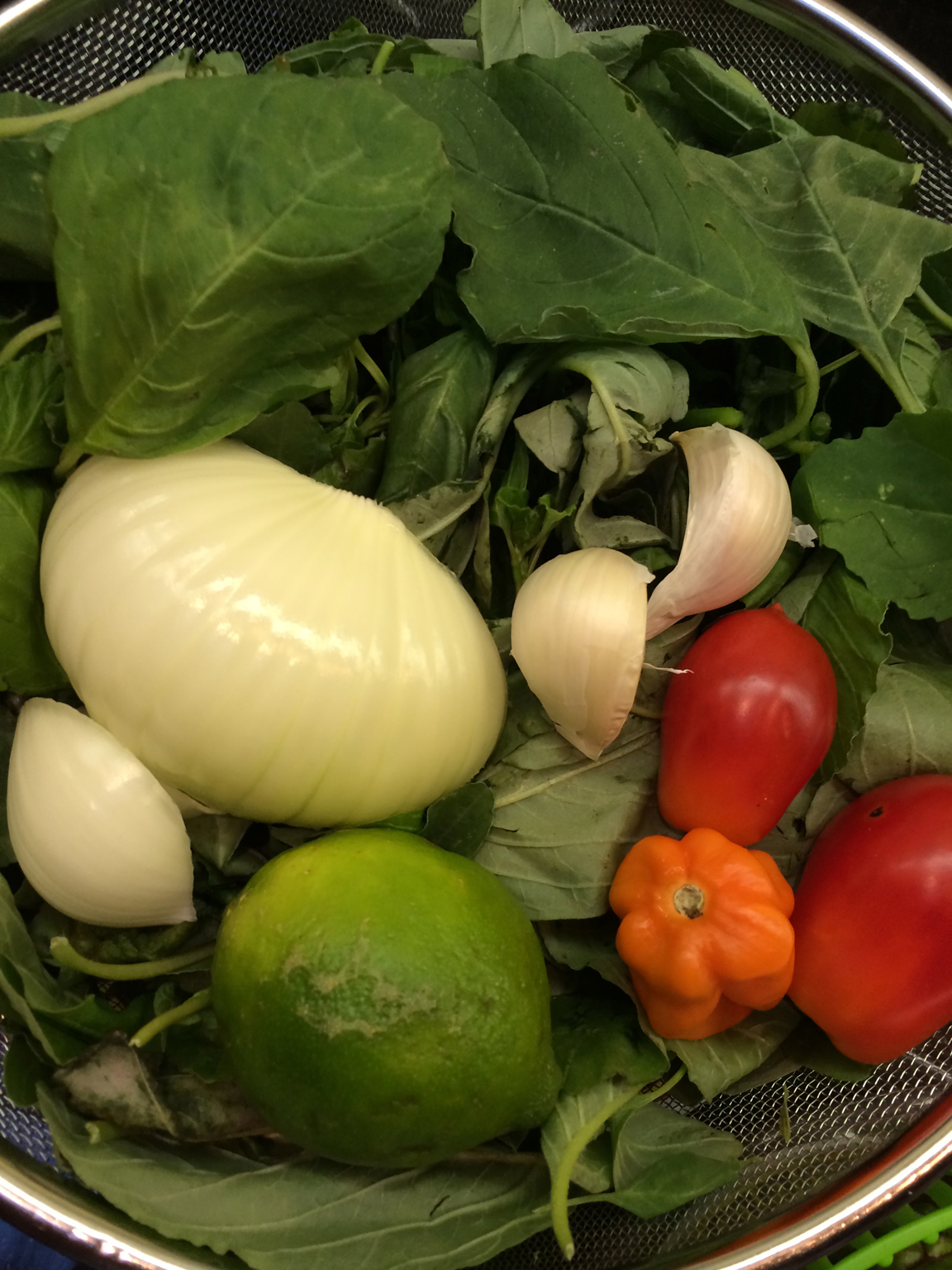
Creole food:  Whenever I see my brother Sidney I ask him: ”Did we really eat that or was I dreaming?” Those were the days when food was ‘real’! Ask any Southerner or Caribbean native about Creole food and you will get an earful of flavorful, down-home ingredients and preparations: onions, peppers, garlic, celery, tomatoes, greens, okras, yams, sugar cane, coconut, mangoes, limes, meats, seafood, spices, sauces and seasonings! Sometimes island recipe items are confusing—for example pimentos really mean allspice berries— not those red things in olives!

The basis of Creole cooking is the mirepoix, holy trinity, sofrito and other humble beginnings. To learn more, click here.
Creole food can be complex and simple. It can be any combination of African, Native, Caribbean, Chinese, Indian, French, Spanish, and Mediterranean elements. Sometimes it is simple country or Soul cooking with a French flair or straight-up Afro-Latino food!

gumbo

Callalou and Gumbo are great examples of Creole food that I grew up eating. Both dishes—soup, stew, or braised 1-pot meals – tell Diaspora stories of slavery, freedom, migration, and immigration. Both of these dishes have okra in common. Both can also be a side dish or main course. Both can be vegan, or made by combining ham bones, pig tails, chicken, sausage, fish and seafood. While Callaloo is primarily green, gumbo can be green, red/orange or brown. I’m passionate about Creole cookery. I’m always exploring new recipes.

Here is a link for a Trinidad Callaloo recipe.

Here is a link for some Gumbo recipes.

What’s in your family food legacy? Do you have any scary, weird food memories to share?